
The Moscow festival VIVACELLO stands out from others not only for its dedication to cello music but also for its scale. This is an extremely rare project, the essence of which is not an exhibition of achievements, not a gathering of friends, not an attempt to please the public with hits, star names, and virtuosity. It seems that VIVACELLO has taken to deviating from trivial listener expectations, although it places certain hopes on the listener. The festival aims to delve into the realm of experimentation, broaden horizons to the fullest, and create something completely new and unique.
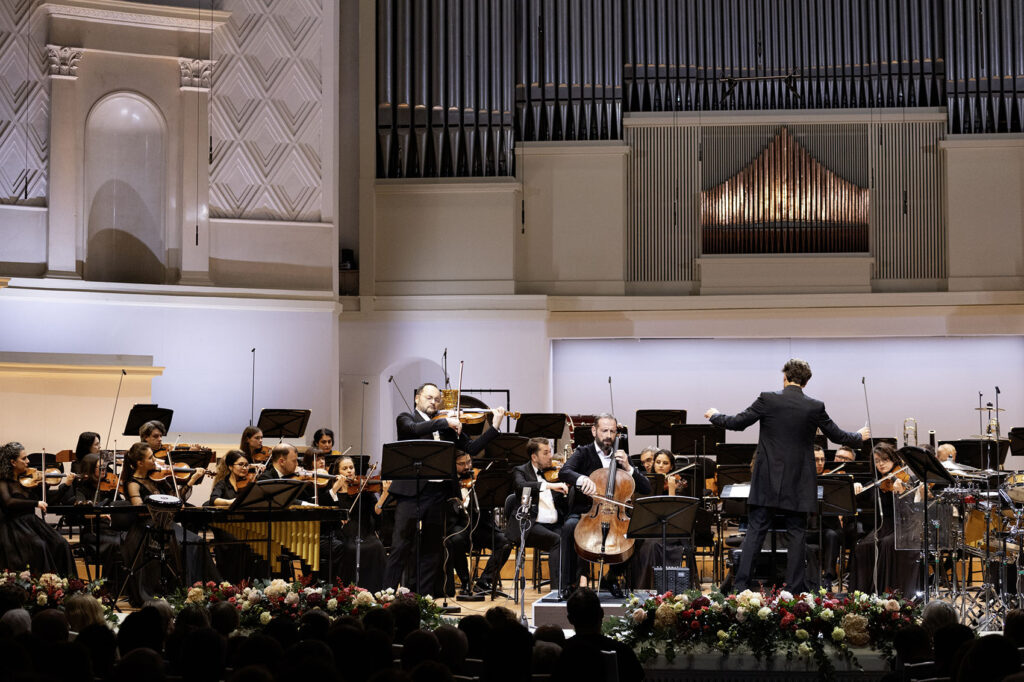
And it’s not just about premieres – a prerequisite of the festival, which the organizers strictly adhere to. And not only about the debutants, who are increasingly original and extraordinary. New combinations, formats, and perspectives can also emerge. The art director of VIVACELLO, Boris Andrianov, never ceases to test his fate in the creative search, and his creative partners, patrons Iveta and Tamaz Manasherov, often feeling a slight tingling in their hearts from encounters with the unknown, nevertheless give the idea generator carte blanche, and as is well known, winners are not judged.
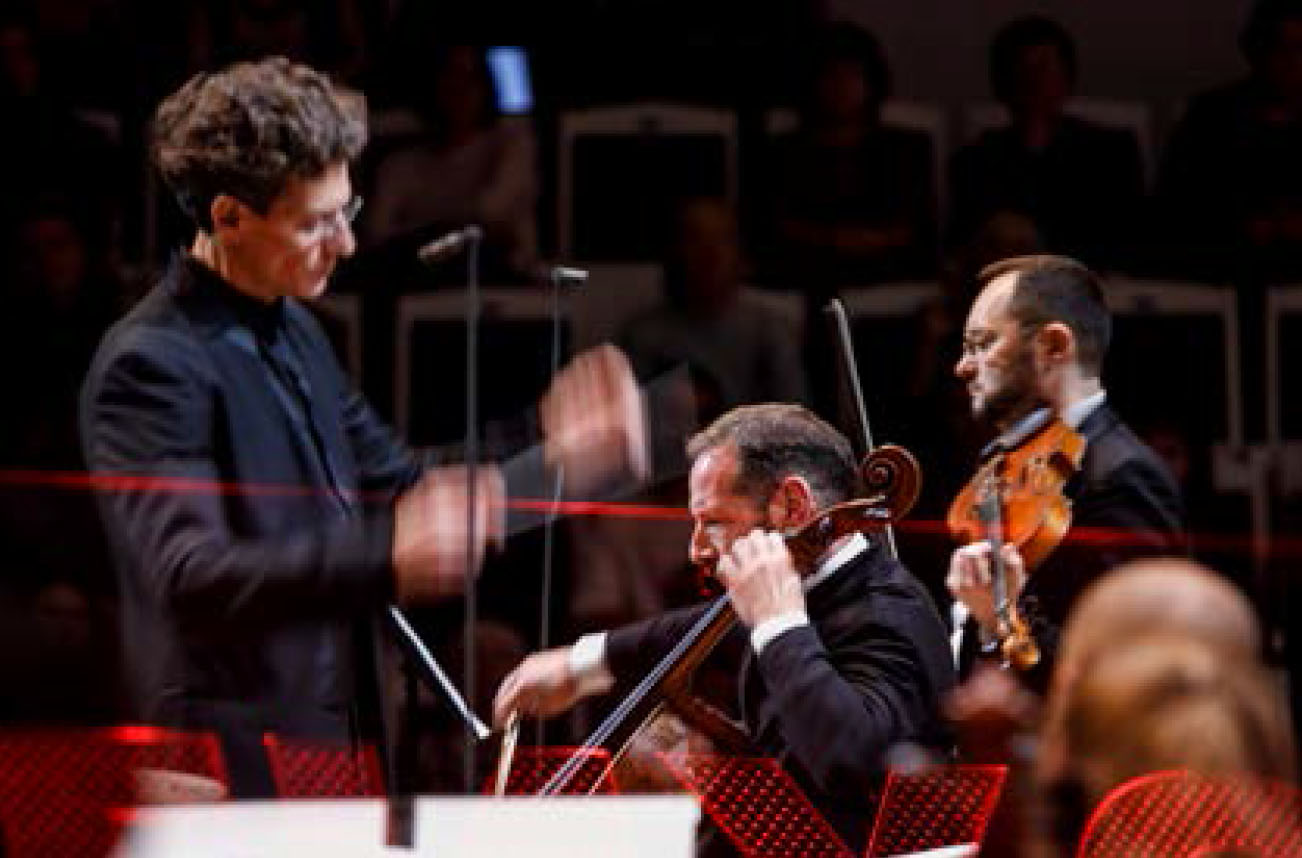
In the spring, when Boris Andrianov and the U-Art Foundation were organizing the chamber music festival VIVARTE at the Tretyakov Gallery, one of its most striking and unusual events was the program ‘The Way to the East.’ Perhaps, even then Boris knew that he would continue this path with his colleagues in the fall – at the cello festival, and at the same time, if he tried, he would manage to symbolically turn towards the West, and then to the South.
“No matter what times a person lives in, in which part of the world, and at what temperatures they exist, there is only one cultural code for everyone, not bound by ethnic, mental, geographical, and political characteristics.” “It is an irresistible urge for harmony – both in music and in the world!” says the musician.
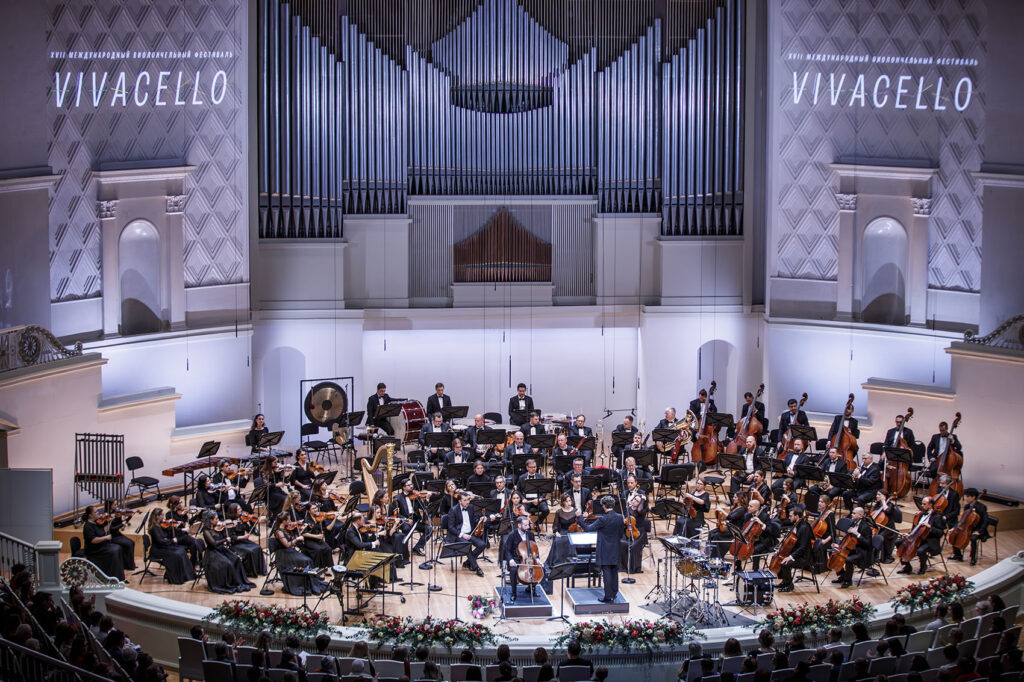
At the seventeenth VIVACELLO festival, harmony was sought in Egypt and the Czech Republic, Brazil and Hungary, Austria and Italy, France and Mongolia, Argentina and Romania, and many other places. Defying boundaries and challenges, the project still proudly maintains its international status. At the opening alone, a Russian, a Frenchman, a Mongolian, a Jordanian, and a Serbian gathered on the stage of the Tchaikovsky Hall.
“Nature is drawn to opposites, and from them, not from the similar, it forms the harmonious… Thus, the entire universe, that is, the heavens and the earth, and the whole cosmos as a whole, have been ordered by a single harmony through the mixture of the most opposing elements,” Aristotle reasoned, along with other learned men. At VIVACELLO, harmony was sought and found in the ensemble of the cello with its predecessor, the baroque viola da gamba; in the jam session of seasoned jazz musicians and young academics who had yet to experience the thrill of live improvisations; in the electronic sound and somewhat harsh style of folk singing within the acoustic space of the conservatory hall; in the combination of the ancient ‘horse violin’ or the old Arabic chordophone with the canonical composition of a symphony orchestra; in the play of asymmetric meters and symmetric modes, simple accompaniment, and intricate melodies.
It is no less interesting to bridge the gap between programs spread across different days. For example, finding something in common between Georgs Pelecis’ triptych “Moldavian Wines”—an ode to winemakers and their beverages, specially commissioned by VIVACELLO (the world premiere took place at the opening)—and the famous play “The Bells of St. Genevieve,” created 300 years ago by the great gambist Marin Marais. The living classic Peletsis, as is known, arrived at his understanding of “new simplicity” in music through minimalism, but as Mare shows, composers were quite skilled at operating with repetitive melodic-harmonic patterns even in those distant times.
It is no less interesting to bridge the gap between programs spread across different days. For example, finding something in common between Georgs Pelecis’s triptych “Moldovan Wines” – an ode to winemakers and their beverages, specially commissioned by VIVACELLO, and the famous play “The Bells of Saint Genevieve”
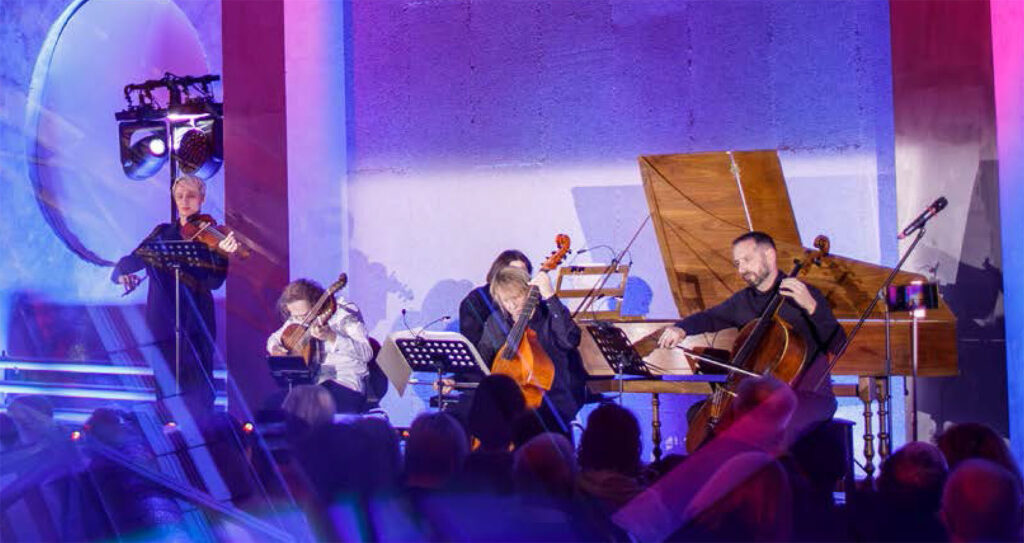
Performed by Roman Vikulov, Rust Pozyumsky, Alexandra Koreneva, Dmitry Illarionov, and Boris Andrianov
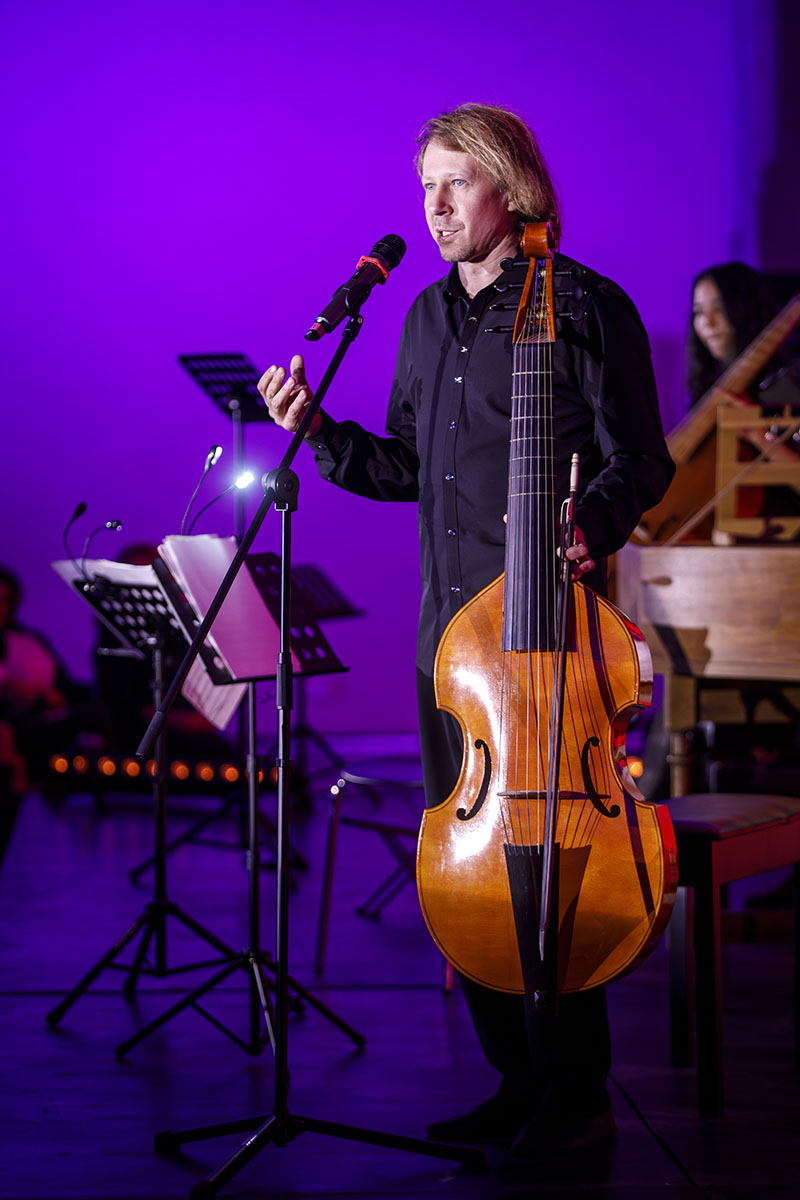
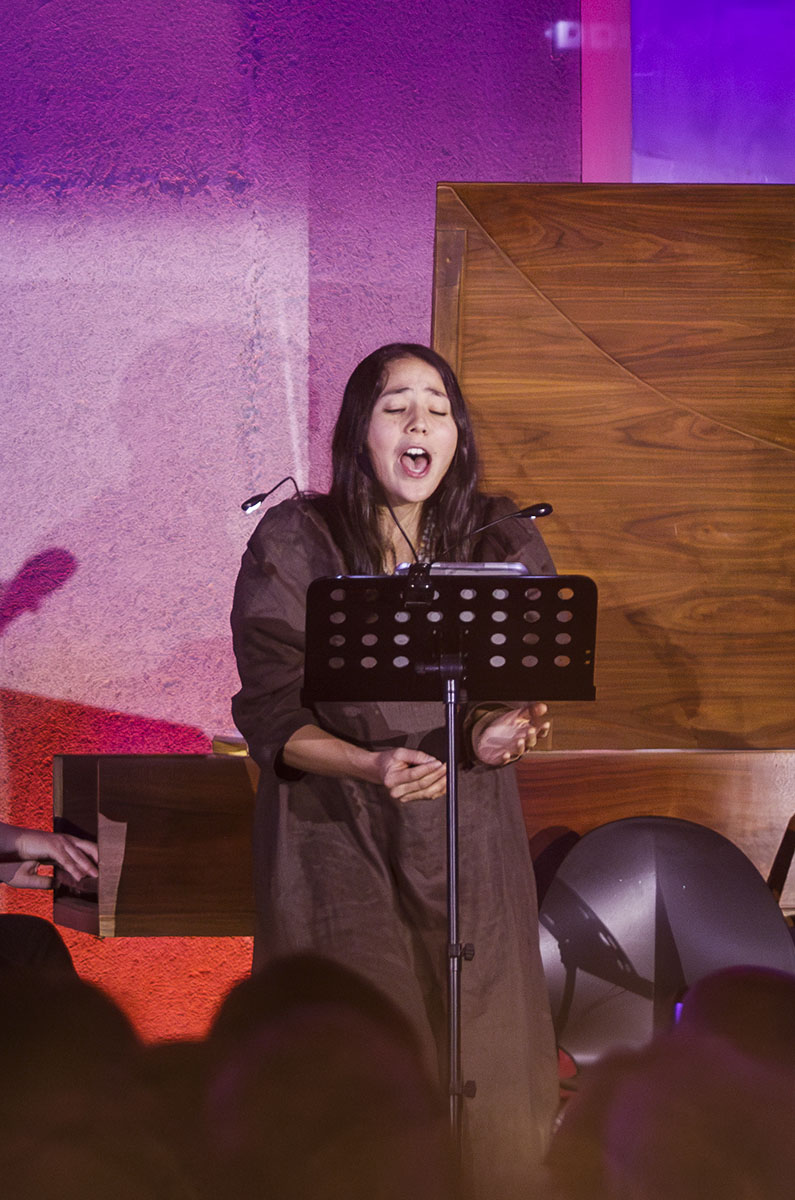
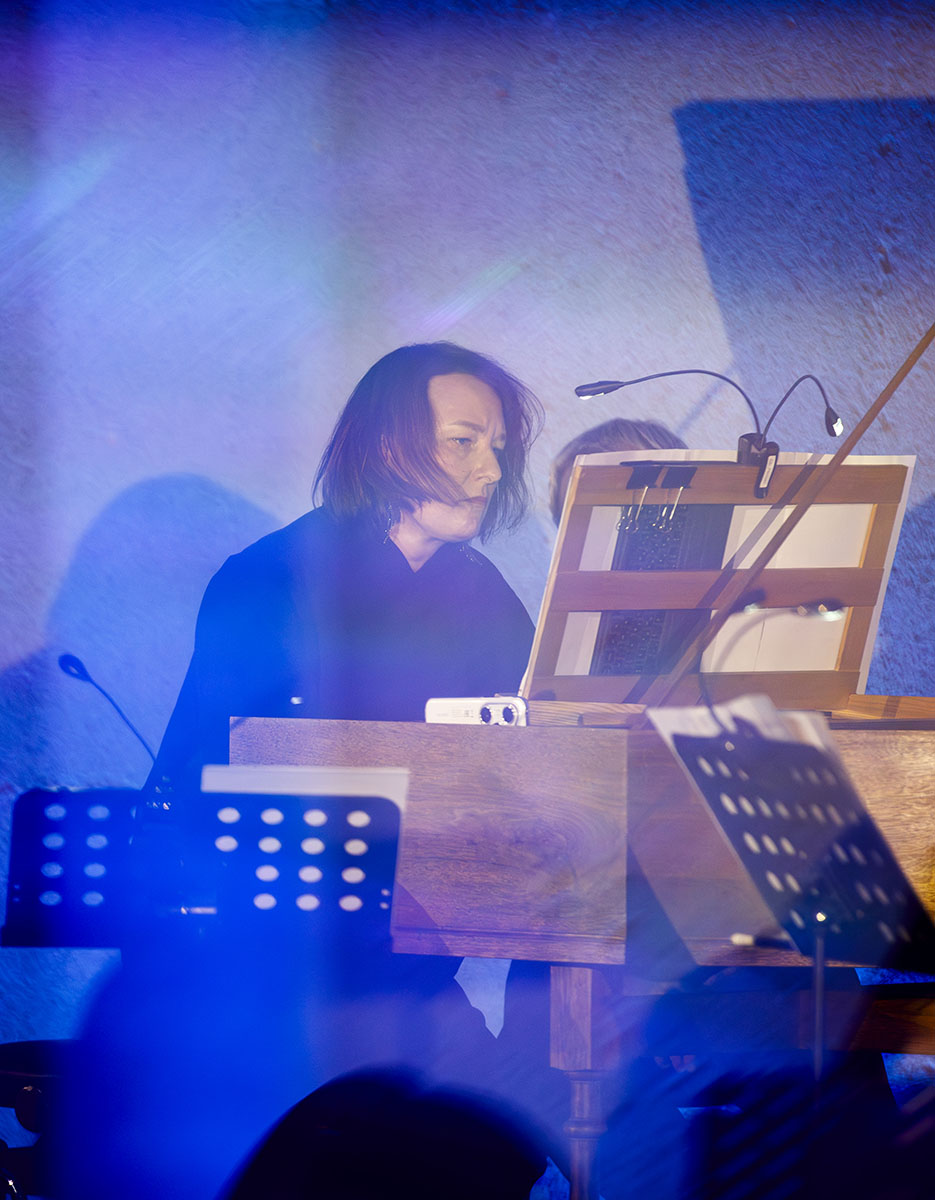
However, as experts say, if you dig deeper, you can find many innovative ideas and modes of expression within Baroque music that were ahead of their time, anticipating the discoveries and achievements of modernity. And if the harpsichordist Alexandra Koreneva calls Royer’s piece “Vertigo” the hard rock of the Baroque, then a more accurate epithet cannot be found. How can one not believe the headliner of the program “French Baroque” at the “Rassvet” Cultural Center, gambist Rust Pozyumski, when he states that the elegant compositions of the gallant era evoke a sense of impending (revolutionary) catastrophe.
Or take the Double Concerto for Cello and Percussion with Orchestra by the Serbian composer-percussionist Nebojša Jovan Živković, which the author himself came to present to the Russian audience (and performed one of the solo parts, entrusting the other to the festival debutant, virtuoso cellist Ivan Sendetsky). In the concert finale, ‘The Mad Round Dance,’ Zhivkovich tells an ‘optimistic Balkan tale’ using complex meters and folk modes, primarily Gypsy. And who would have thought that the same virtues – scales (including Gypsy) and non-trivial rhythm – would shine a week later in the immortal composition Nardis by Miles Davis. Among other things, it served as a foundation for the collaborative music-making of Leonid and Nikolai Vintskevich (with fellow jazz musicians) and the renowned team of cellists – six juniors and Boris Andrianov – within the framework of the Free Creativity Laboratory.
In the finale of the concert, ‘Mad Dance,’ Nebojsa Jovan Zivkovic tells an ‘optimistic Balkan tale’ using complex meters and folk modes, primarily Gypsy.
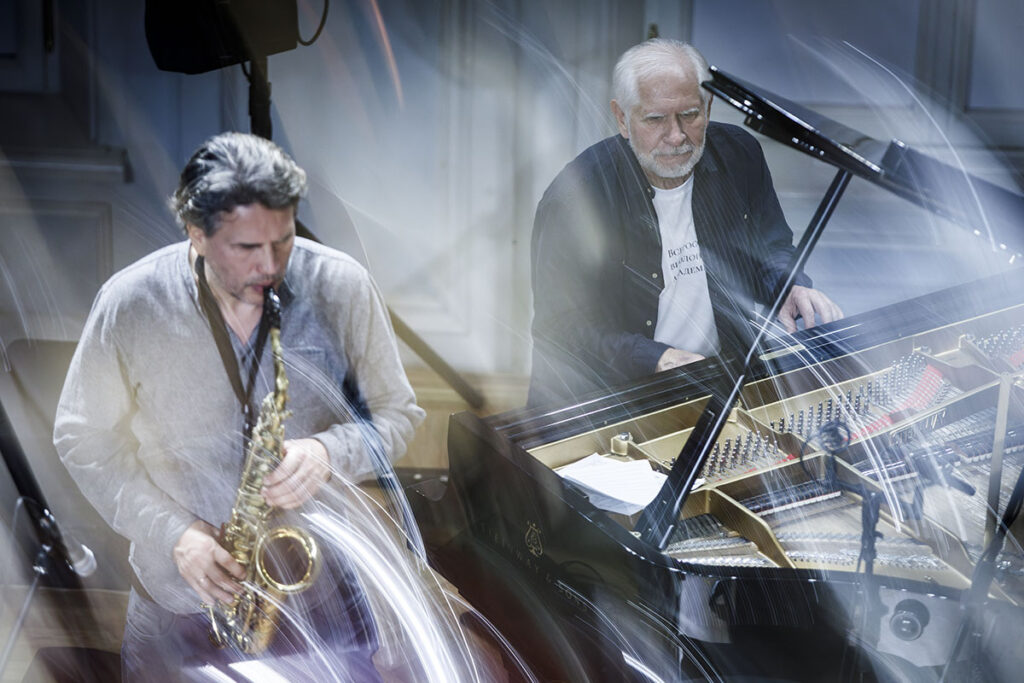
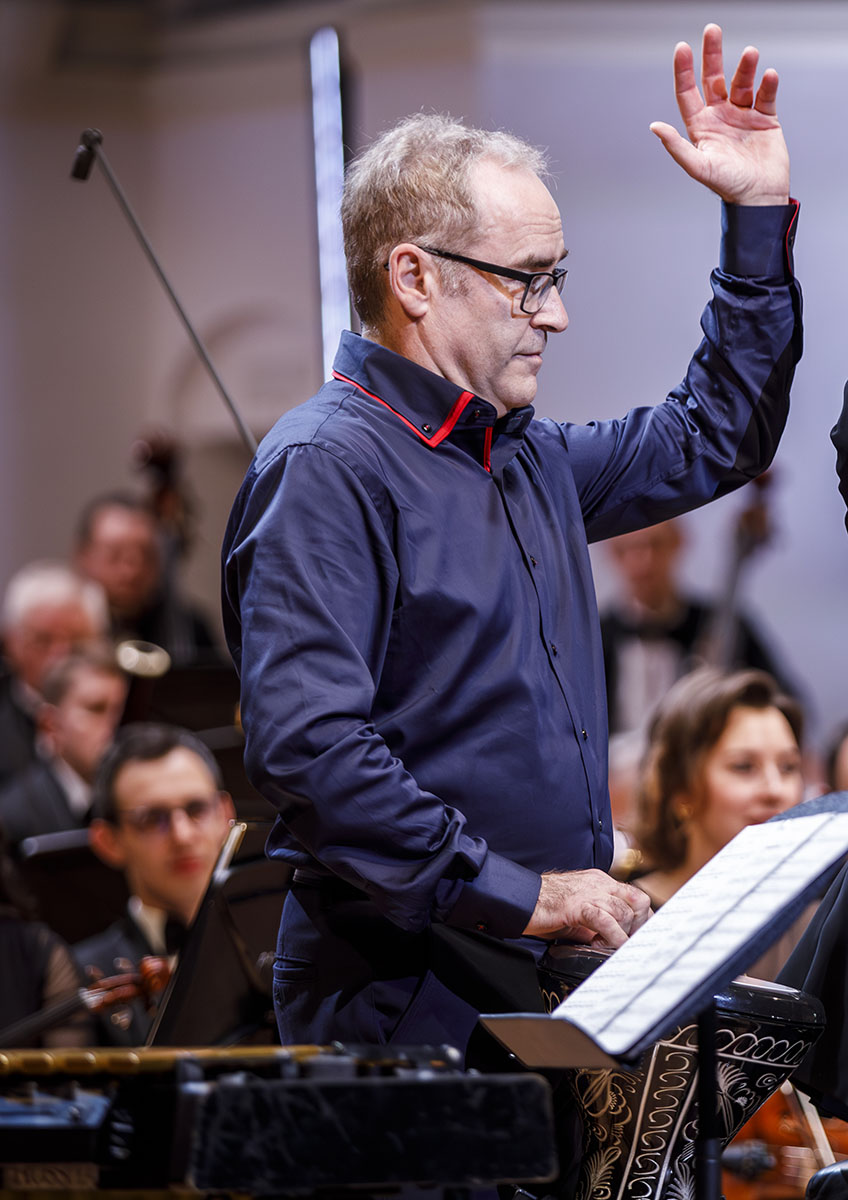
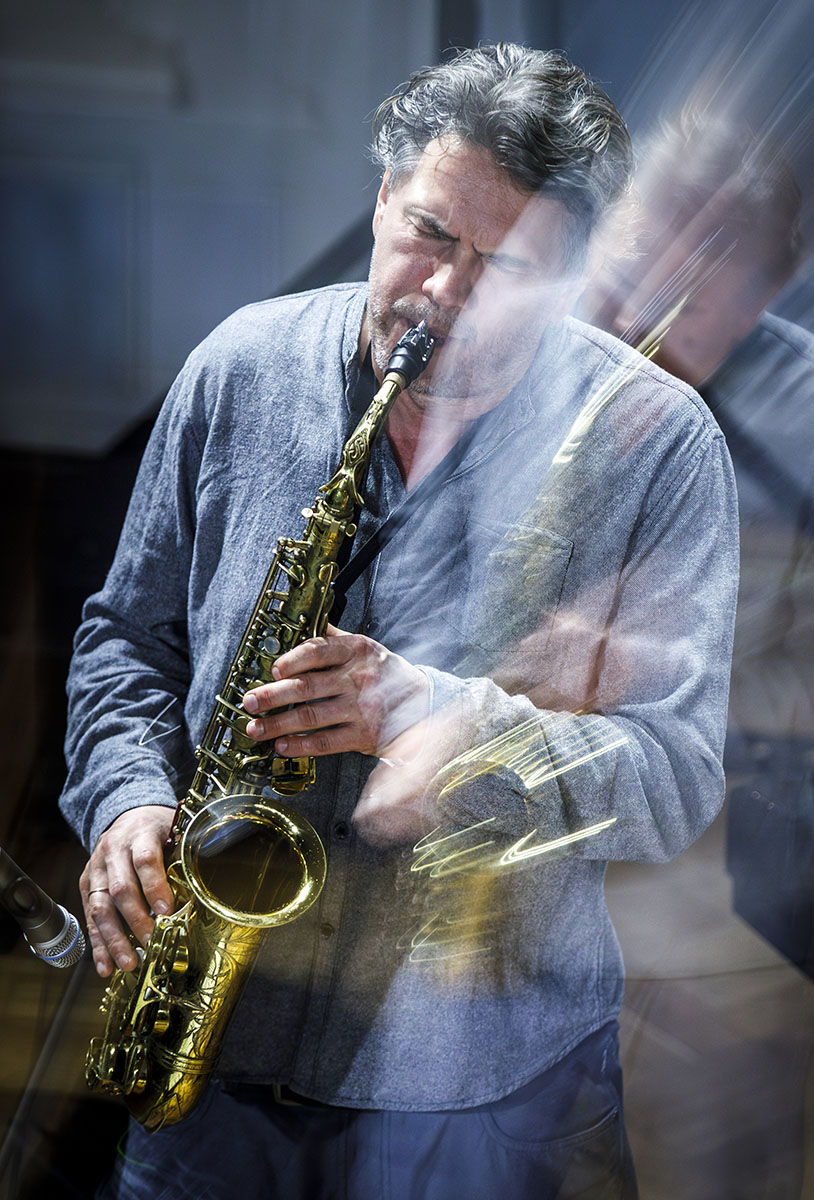
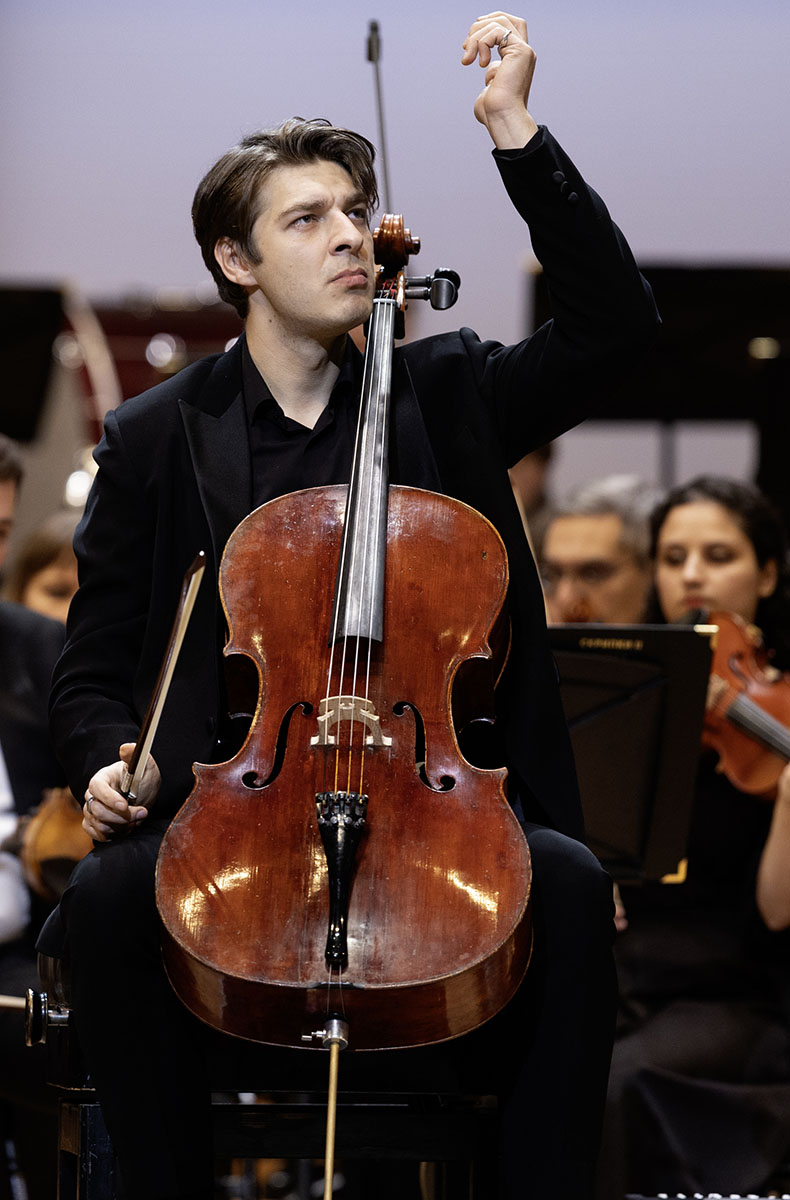
A new format for the festival event – the Free Creativity Lab – was proposed to the organizers of VIVACELLO by the head of the All-Russian Cello Academy, Anastasia Ushakova, and the two projects joined forces. The master class, or as it’s now called, an intensive, became something akin to an extreme driving course for six young cellists (aged 15 to 19), and for the Boris Andrianov festival, it became a natural continuation of the long-standing VIVACELLO Academy. And even if not all the students fully learned to improvise in just a couple of weeks (the Vintskeviches, invited as curators, initially doubted the success of the endeavor), it is absolutely certain that everyone received numerous opportunities to go beyond their skills and established routines. It was not difficult for an experienced listener to single out the most outstanding junior, and it is not surprising at all that he – Yaroslav Schmidt, a student of the Moscow Conservatory – eventually received the annual festival award “VIVACELLO” “Great Expectations.”
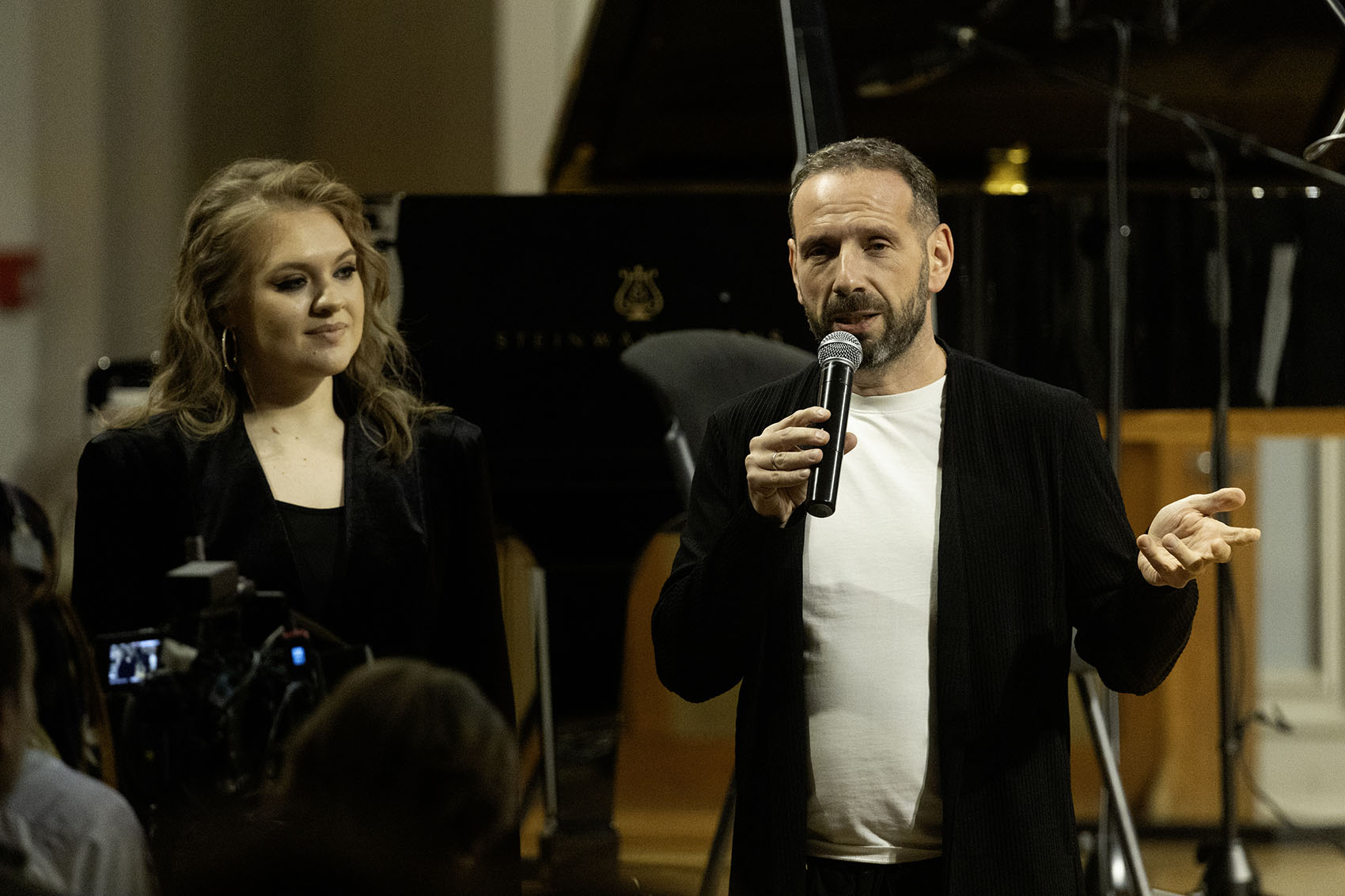
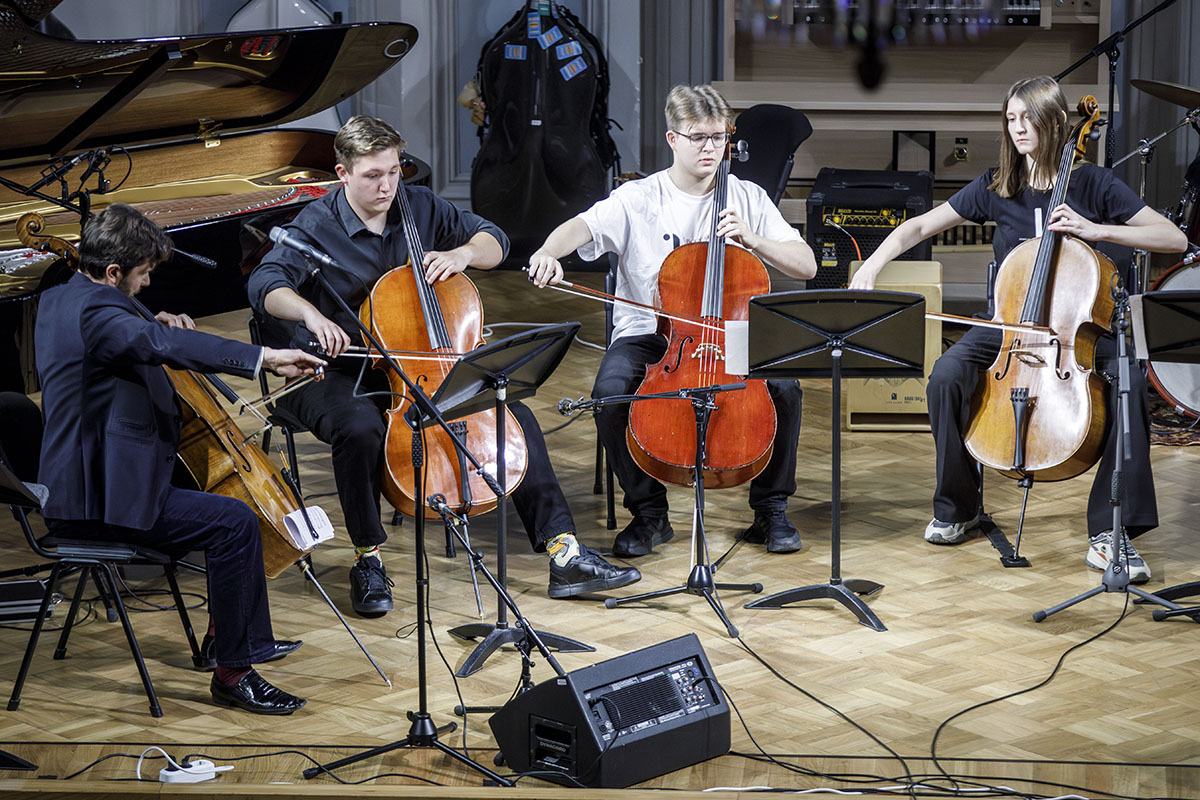
Even if not all students completely learned to improvise in a couple of weeks, everyone definitely had numerous opportunities to go beyond their skills and mindsets.
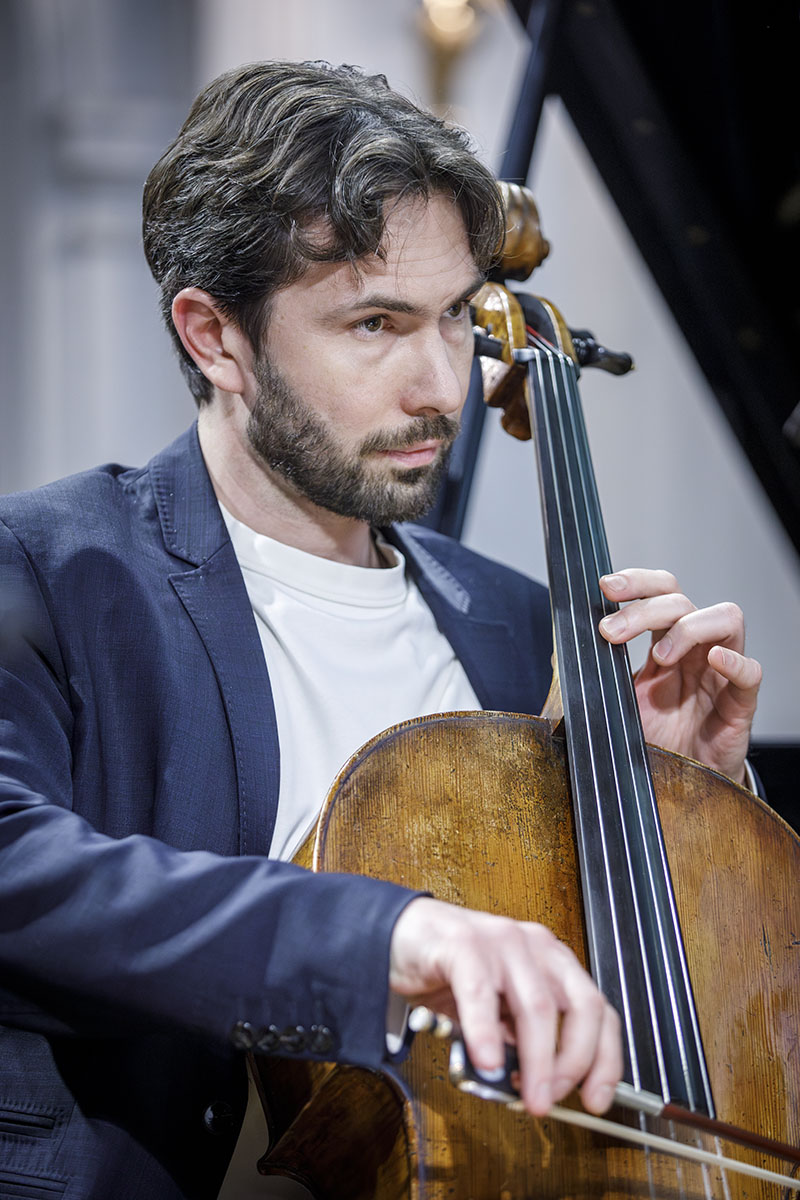
Master cellist Georgy Gusev (another debutant of the festival), who ruled the stage of the Rachmaninoff Hall for most of the “report concert” of the Lab participants, performed sacred rites, set vectors, inspired, and set an example, directing the vibrant energy of youth into a creative channel. “Improvisation has been present in my life for a very long time,” says Georgy, “and fortunately, my life turned out in such a way that I traveled a lot and continue to do so.”
As a musician and a person who perceives the world through music, I always try to explore any new place I arrive at through local or traditional music, through the works of street performers and serious contemporary ensembles. Therefore, what happened on stage today is very familiar to me, something I always miss as an academic musician who also studied within the walls of the conservatory, when there’s not much of it in life.
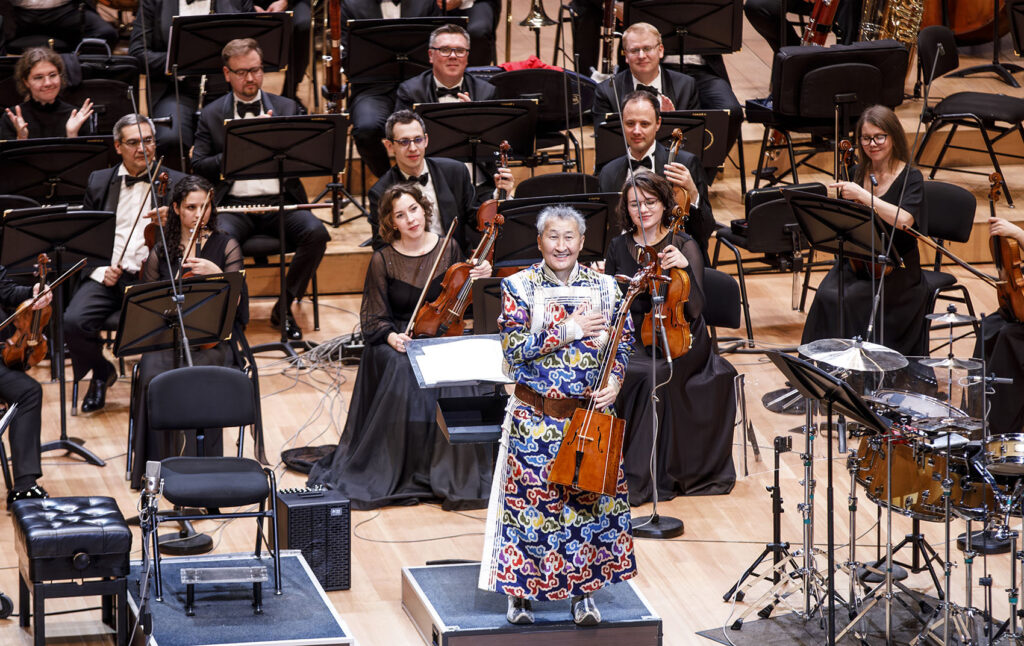
At some other festival, the Balkan concert by Živković or the Scottish folk song Scarborough Fair would have been the biggest exotic attractions, and the Kursk melody ‘Timonya’ would not have overshadowed them (all of this was featured in the programs). However, VIVACELLO took on the role of the World Expo in Paris, presenting at the opening two eastern relatives of the cello with their ambiance and expressive capabilities. Enkhjargal Dandarvaanchig flew in from Mongolia specifically to perform with the Moscow State Academic Symphony Orchestra the Concerto for Morin Khuur and Orchestra by the 20th-century Mongolian classic Byambasurengiin Sharav. He performed for the first time in Moscow – in a luxurious national costume and with two differently tuned instruments, which he alternated between parts. Painted with sounds the Buddhist temples and the mad gallop of horses in the steppe. “In Mongolia, we say: if a person is lucky in life, at least once they will be able to drink water from a golden cup.” “Today is exactly that kind of day for me,” shared the musician after the concert.
Muscovites received Arabic music with enthusiasm, realizing that on the other side of the world, people also appreciate harmony and even temperament.
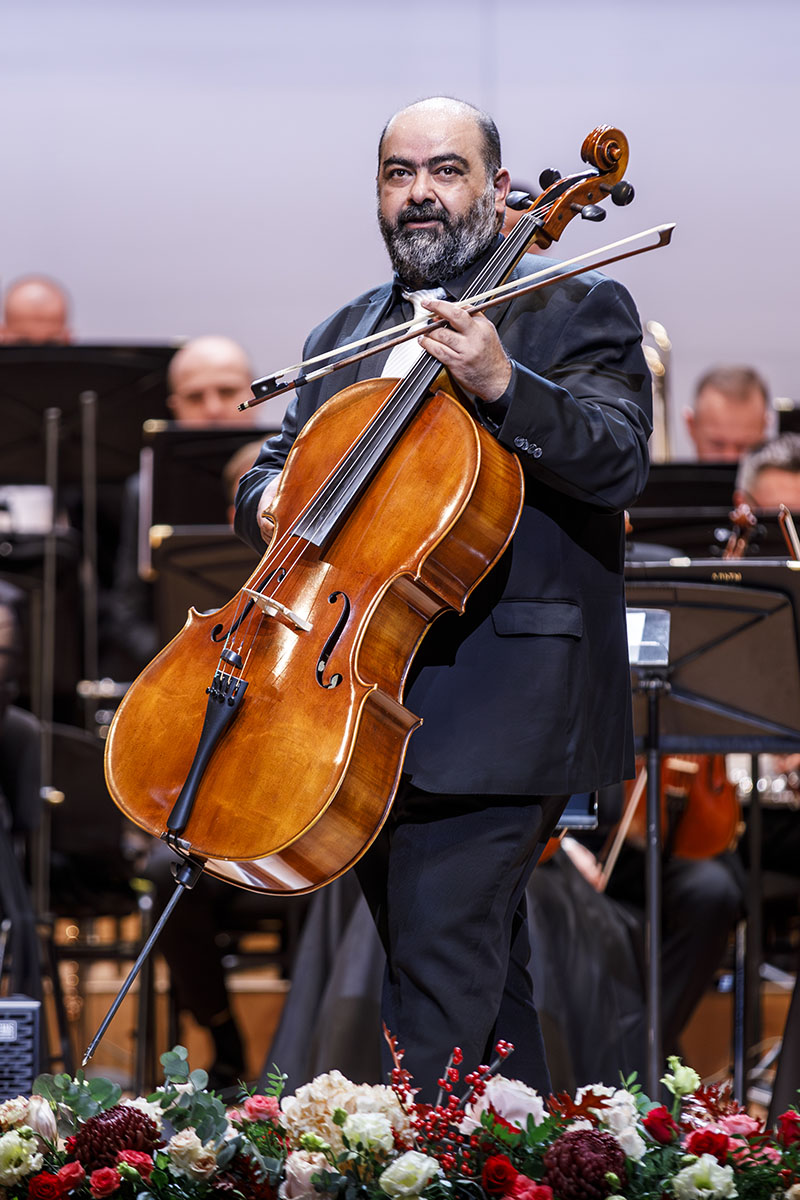
Fadi Khattar, an Egyptian native and currently a professor at the National Music Conservatory in Amman, hurriedly flew out to replace the Egyptian performer on the Arabic rebab, who had suddenly dropped out, with one from Jordan. Alternating between the rebab and a modern cello (Boris Andrianov lent the guest his instrument made by Carlo Bergonzi), Hattar played arrangements and compositions by his conservatory colleague, Egyptian Mohamed Usman Sidik.
Arab music, quite exotic in its own right, was enthusiastically received by the people of Moscow, who understood that on the other side of the world, people also appreciate melodiousness and equal temperament, and that intricate melodies are no hindrance to a simple harmonic scheme. Moreover, the alternation of energetic sections with lyrical ones seemed very familiar. “I had a great pleasure playing here,” admitted Fadi Khattar, “and I am very grateful for the happy coincidence that made all this possible.”
Perhaps the greatest departure from the traditional philharmonic program was the festival’s final opus – the cello concerto “Saints and Sinners” by American composer Corey Allen, who fused academic traditions with jazz and genres of Brazilian national music. Jazz luminary Leonid Vintskevich contributed to the preparation of the world premiere, with the composition being performed in his arrangement. Boris Andrianov was the soloist, and the jazz quartet of the father and son Vinckevich transformed the instrumental concert, which concluded with a truly dynamic jam session and applause.
The greatest departure from the traditional philharmonic program was the festival’s final opus – the cello concerto “Saints and Sinners” by composer Cory Allen.
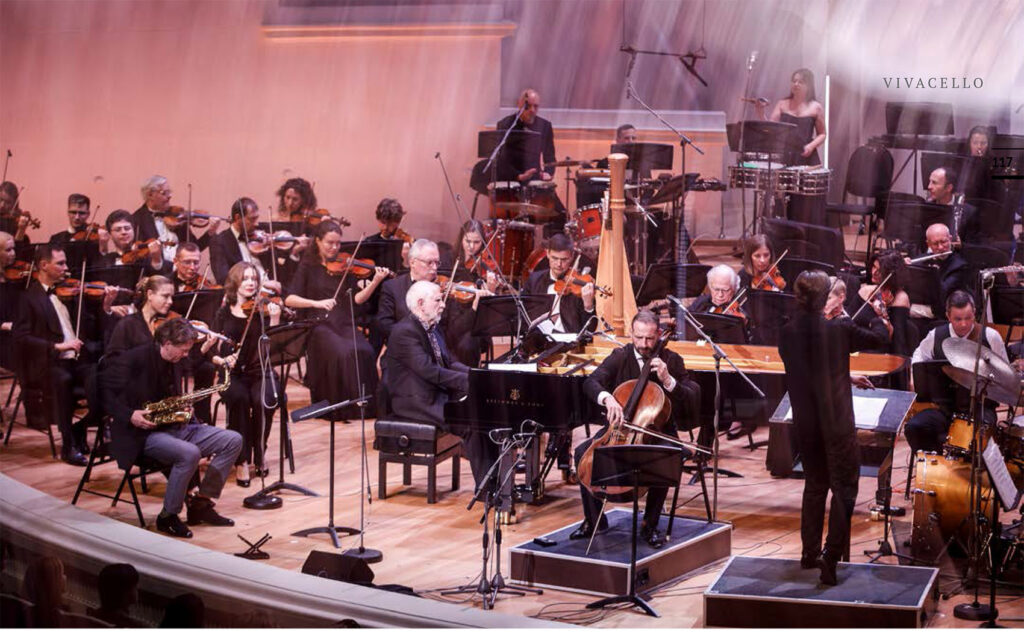
New music, as is known, requires an enthusiastic advocate. For Allen’s concert, it is Leonid Vintskevich, for the picturesque lyrical piece ‘At the Sea’ by the Italian Roberto di Marino – violist Maxim Novikov (who, in a duet with Boris Andrianov, presented the world premiere at the opening), for the Diptych for cello and domra with the chamber orchestra by Efrem Podgaits – domra player Ekaterina Mochalova (the Moscow premiere was shared with the same Boris Andrianov). The Duet-Concertino for Clarinet and Bassoon with Orchestra by Richard Strauss might seem like nothing new, but it never occurred to anyone before to play the bassoon part on a cello. However, Igor Fedorov and Boris Andrianov thought of it, and thus, during the closing, yet another kind of premiere took place.
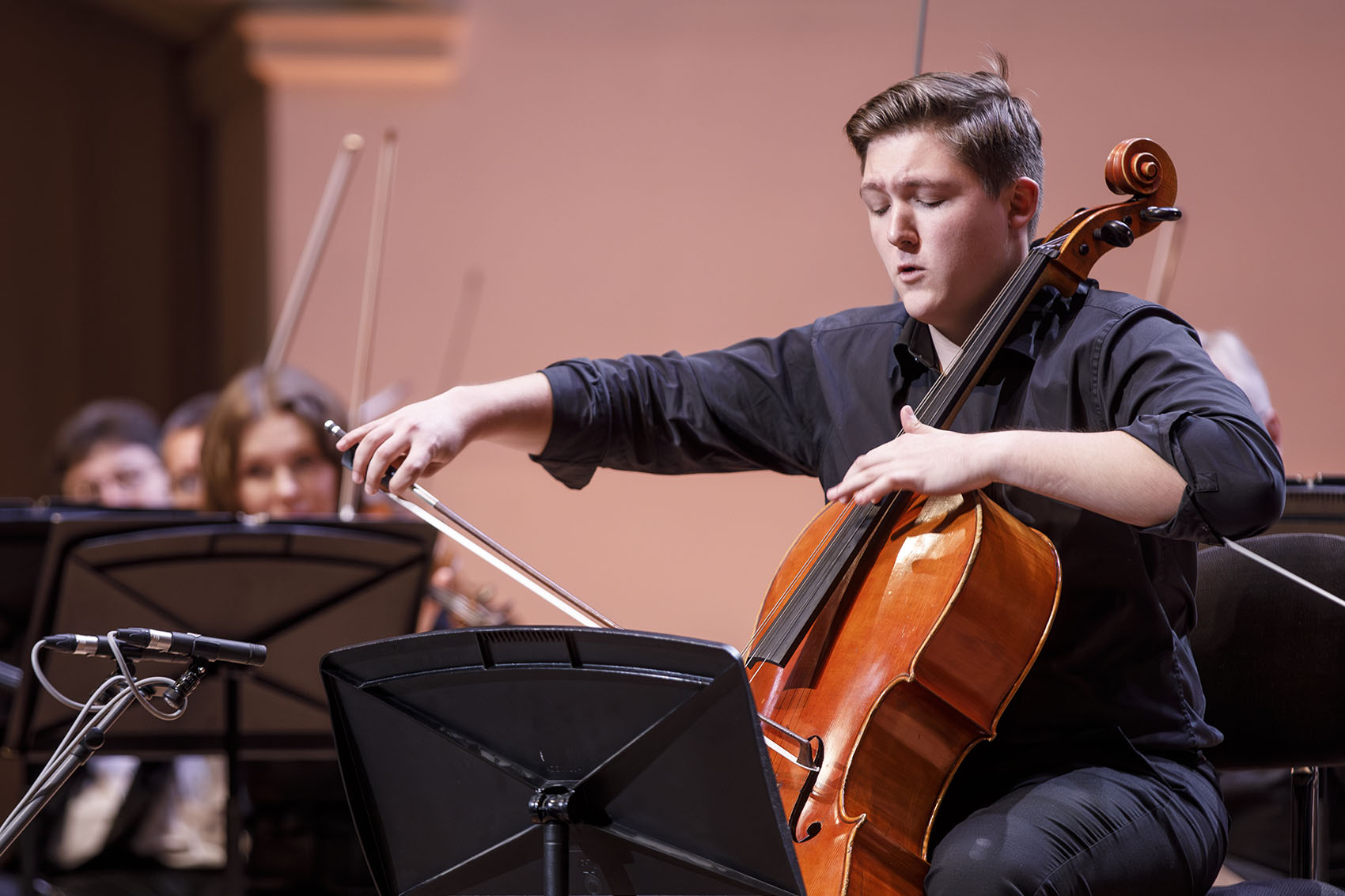
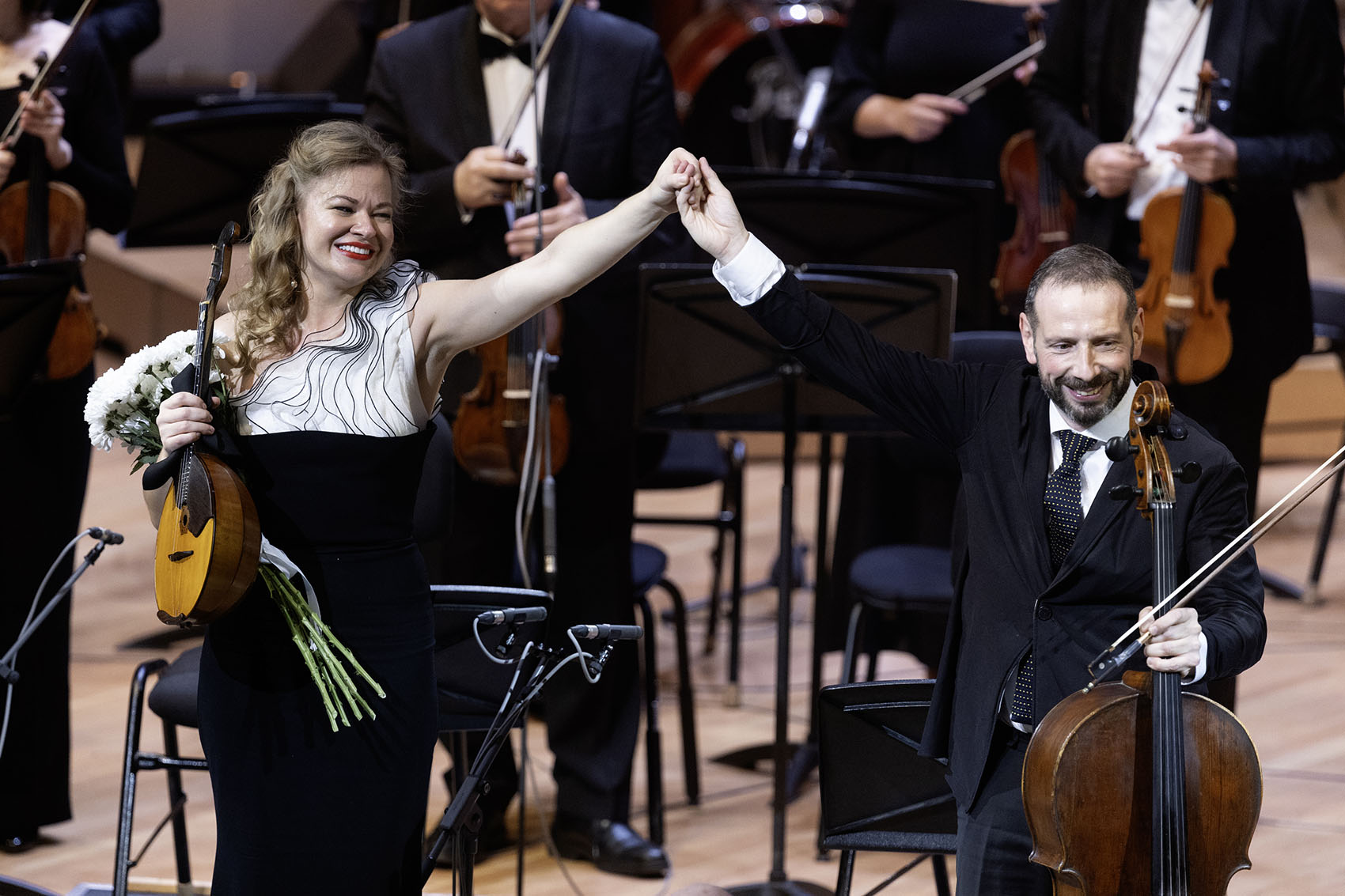
But Boris Andrianov is not only a promoter (and commissioner) of new music, he is also a promoter of new names, and also a promoter and driving force of the festival movement. Where else can you meet interesting people, such inquisitive individuals, who are making history. It was at the festival in Klaipeda that Boris Andrianov met with his Romanian colleague, Razvan Suma, a high-class cellist who strives to be a versatile musician (playing everything from classical to tango to rock, making original arrangements for a cello quartet, etc.), and also an enthusiast of the festival movement in his country.
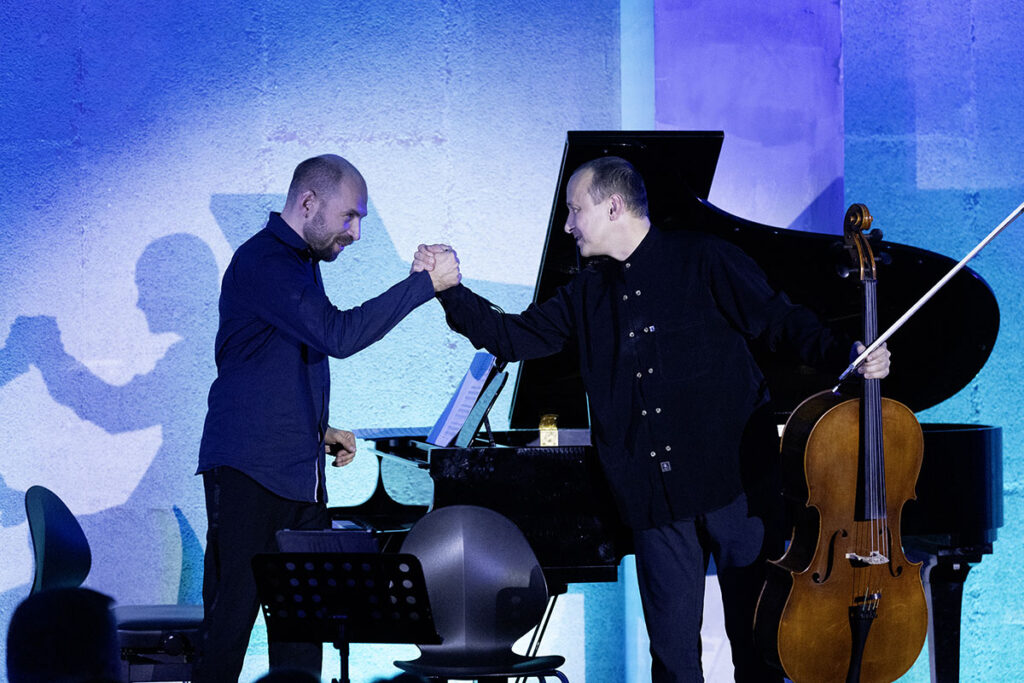
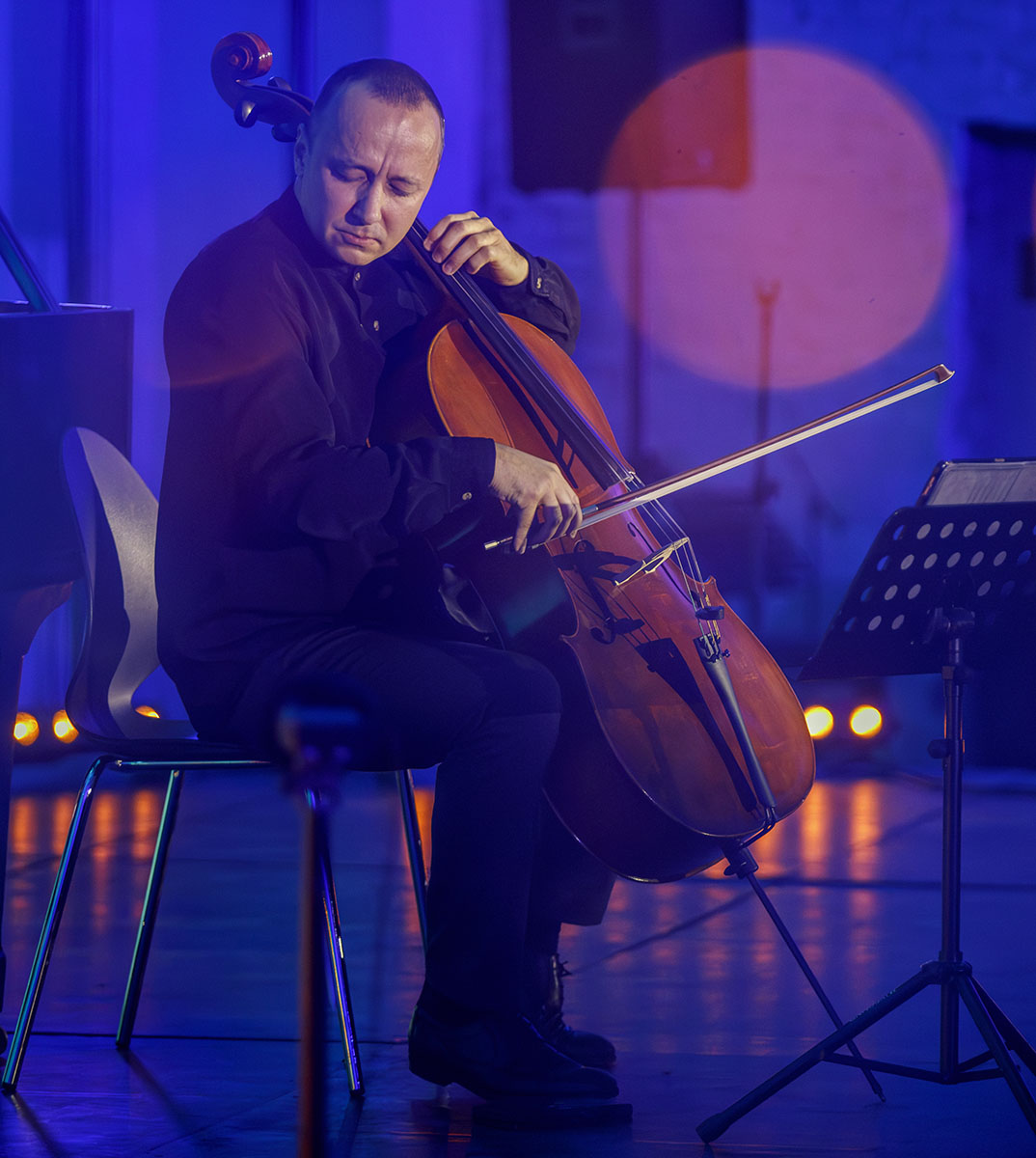
At the invitation of VIVACELLO, Razvan performed in Russia for the first time with a most conventional solo concert. The artist called his program, performed in a duet with pianist Andrey Korobeinikov and featuring works by Schumann, Brahms, Enescu, Bartók, Dvořák, and Martinů, a ‘musical journey from Germany to Eastern Europe.’ Complemented with a British encore (Elgar’s “Salut d’Amour”), adding another point to the colorful geographical map of the festival.
“The cello, compared to other instruments, has much broader timbral and range capabilities, and that’s its advantage,” says Suma. “It is good solo, in ensemble, and in an orchestra.” Cellists generally like to come together and form their own international community. As a cellist, you feel like part of a big family.
Text: Pavel Osetrov
Photo: Ivan Novikov-Dvinsky, Evgeny Evtyukhov