
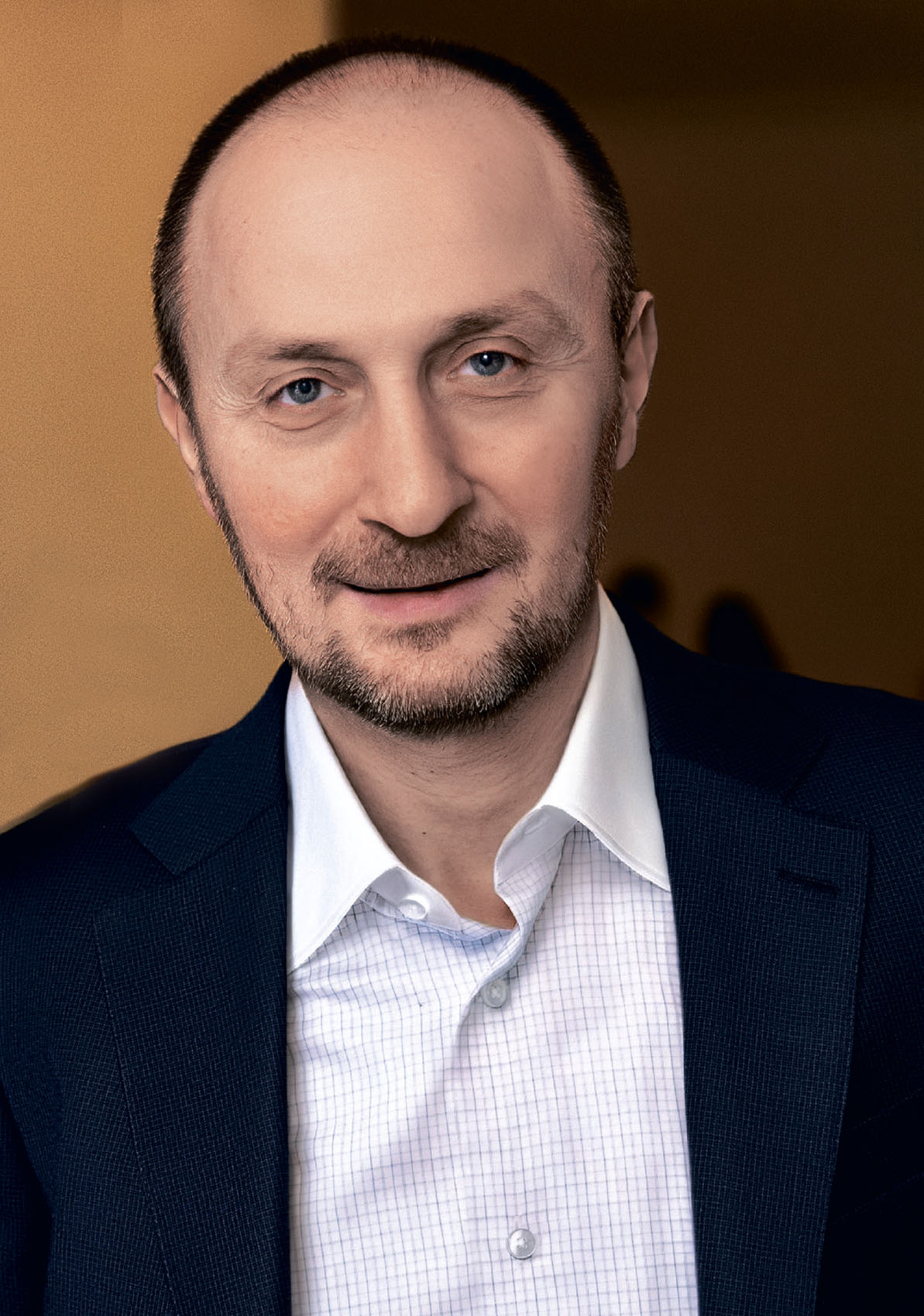
In recent years, dentistry has ceased to be just a medical service — it has become a reflection of the philosophy of caring for a person, their confidence, and quality of life. Behind this transformation are not only technologies but also people who shape industry standards. Igor Gavasheli is the president of the clinic networks ‘Unident Dentistry’ and Brainmark Dental Studio, an entrepreneur and strategist who managed to combine medical quality, aesthetics, and a high level of service into a single system. Under his leadership, clinics are developing into full-fledged ecosystems where dentistry is not just treatment, but an art of working with the patient’s personality. We talked with Igor about the philosophy of modern dentistry, brand development, the role of technology, and how to maintain humanity in the medical profession.
ON THE DEVELOPMENT AND PHILOSOPHY OF BUSINESS
“Let’s start with a philosophical question: what values underpin the work of the clinics under your management?”
You know, simply put, the philosophy—or more precisely, the mission—of both our networks is to make quality healthcare accessible to as many people as possible. This is what unites us. Both “Unident Dentistry” and Brainmark Dental Studio operate according to unified medical standards, use modern technologies, and meticulously structured treatment protocols. We are convinced that there is no middle ground in medicine. It’s either of quality, or it simply shouldn’t exist.
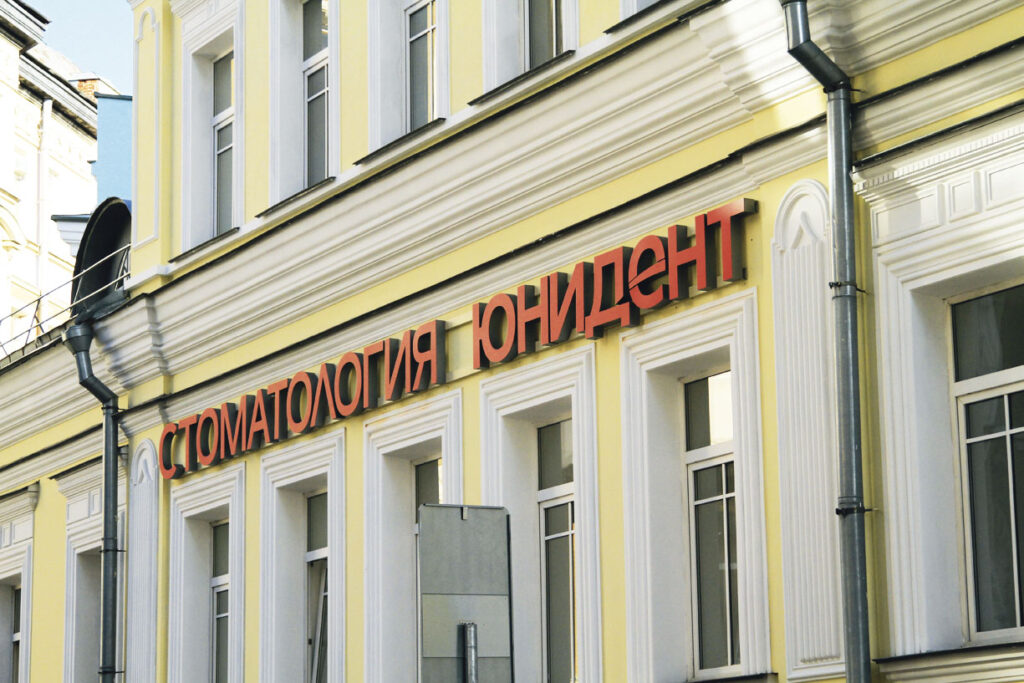
But the differences lie in the organization of work. Brainmark Dental Studio can be described as a studio of high precision: we specialize in implants and focus on speed and perfect results. And “Unident Dentistry” is a broader network of clinics where we work with both corporate clients and patients under voluntary health insurance (VHI). The flows here are different, and so are the tasks. That’s why the idea arose to develop two independent brands—each with its own focus but with a shared philosophy of quality and trust.
— What do you see as the ideal dentistry of the 21st century? What really matters to the patient today?
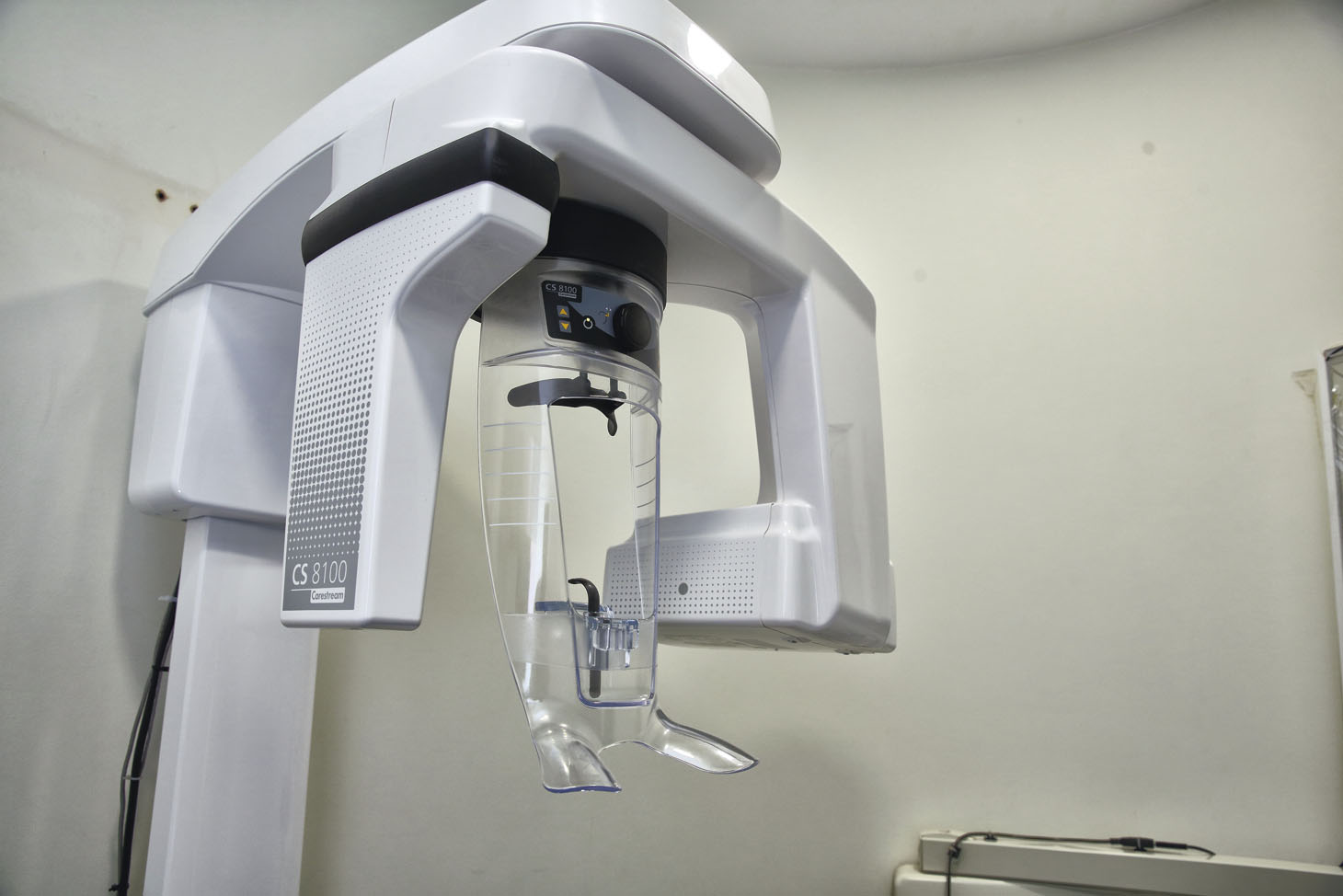
For the patient, the main thing is always the same – professional, competent medical care. After all, medicine is a special field where any compromises in terms of quality are unacceptable. But to ensure a modern level of treatment, not only the knowledge and experience of the doctor are needed, but also the technologies that they can use. Modern equipment, digital diagnostics, and computer modeling—all of this makes it possible to achieve a level of precision that was only a dream not so long ago.
Another important aspect is the patient’s comfort in interacting with the clinic. People do not want to spend time on calls and queues; they value convenience. Therefore, service in modern dentistry goes far beyond politeness and the smiles of the receptionist. This is a full-fledged ecosystem of digital tools: online booking, personal applications, electronic treatment support, reminders, and transparent communication at every stage.
The main thing is not to lose the essence of medicine. It all begins with caring for the person
ABOUT TECHNOLOGIES AND INNOVATIONS
– Digital dentistry is rapidly developing. What technologies do you consider key for the industry today?
– Yes, you are absolutely right, digital dentistry has literally revolutionized the concept of what dental care should look like. Now the treatment is more precise, comfortable, and predictable for both the doctor and the patient.
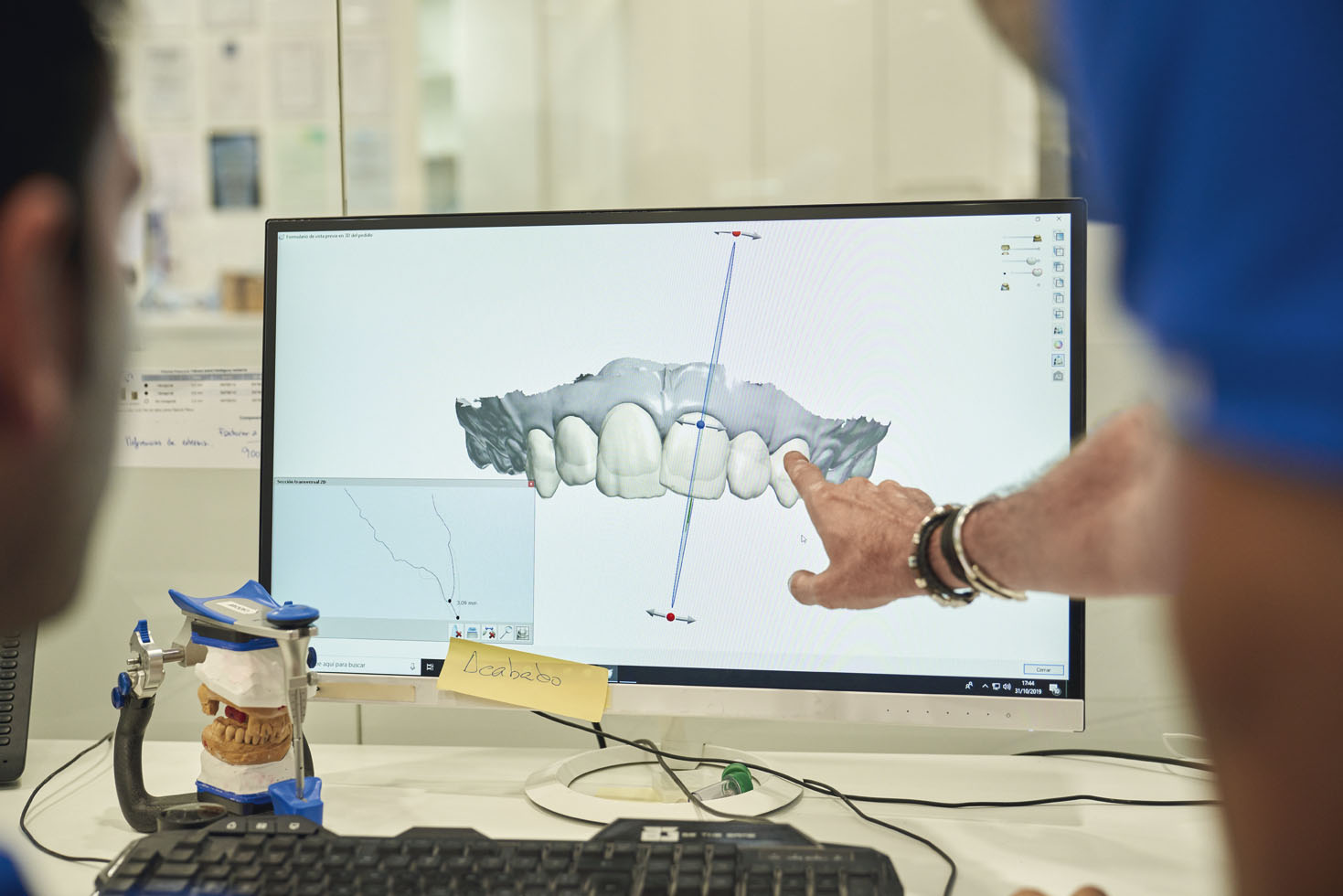
For example, today we are increasingly using intraoral scanners. They create an accurate digital model of the oral cavity, which we send to the dental laboratory. Future restorations are designed on its basis there — crowns, veneers, inlays — with meticulous detail.
In our profession, grand words mean nothing if they are not backed by genuine care for people.
Implantation has also gone digital. Using computer tomography and scanning, we create surgical templates that allow us to place implants with virtually no risk to the patient. This is a completely new level of security and predictability of results.
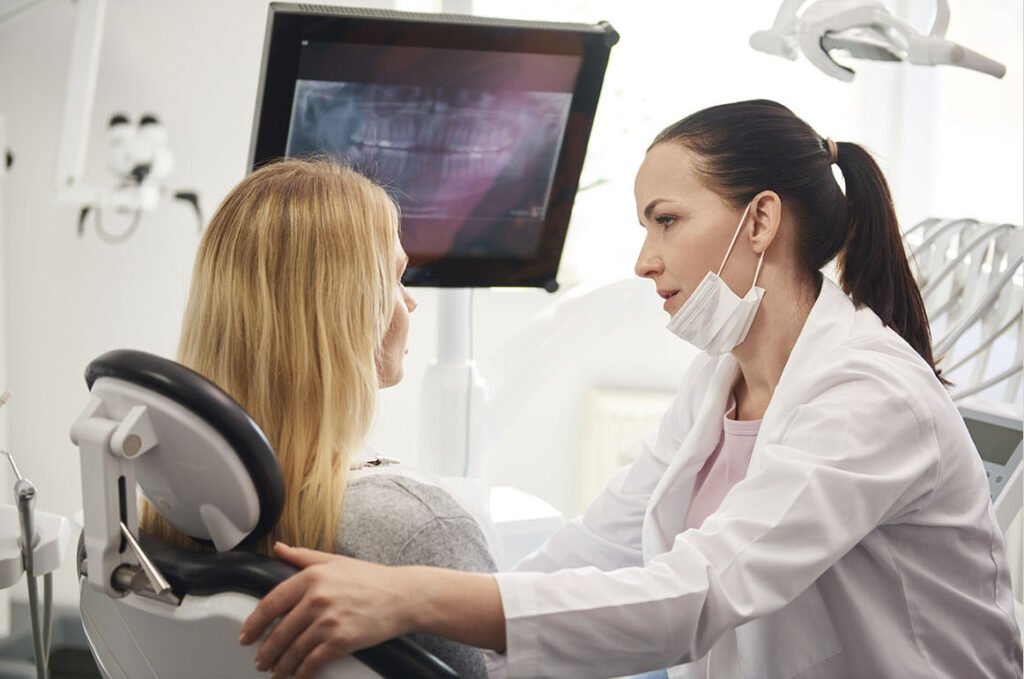
It is worth mentioning innovations in orthodontics separately. Classical braces are gradually giving way to aligners — transparent trays whose production is fully automated. And digital smile design has become an integral part of our daily work today: the patient can see the final result of the treatment in advance.
In essence, dentistry has already entered a new era of digital comfort and high precision. Technologies not only speed up processes, but they also make medicine more humane: they reduce stress, increase trust, and help doctors focus on what matters most — the health and confidence of the patient.
— How is artificial intelligence changing the approach to diagnosis and treatment?
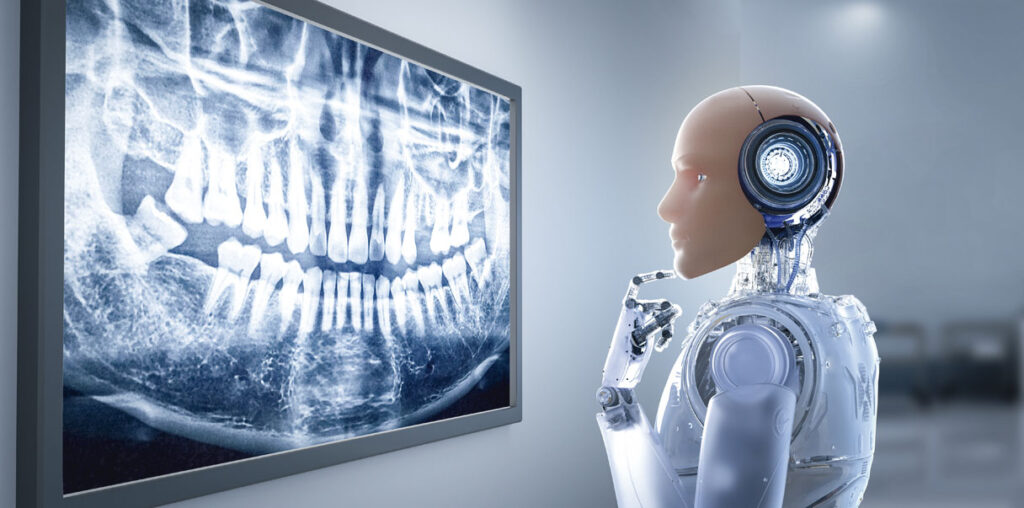
This topic is undoubtedly very relevant and promising. In Russian clinics, AI is just beginning to be actively implemented, and we are still at the start of the journey, especially when compared to foreign practices. AI is already helping doctors not only in diagnosing but also in choosing treatment strategies by analyzing vast amounts of data.
Our main application so far is in diagnostics. There are programs capable of analyzing CT scan results, building three-dimensional models, identifying pathological changes, and even suggesting preliminary treatment options. This is truly a powerful tool, but it’s important to remember: the final decision always rests with the doctor. Artificial intelligence can provide guidance but cannot replace the professional intuition and experience of a specialist.
At the same time, AI is already being actively used in administrative processes, and the results here are impressive. Algorithms help analyze employee performance, assess the quality of phone calls, optimize patient routes, and develop marketing strategies.
ABOUT THE TEAM AND MANAGEMENT
– “Your clinics are known for their strong corporate culture and the high professionalism of their specialists.” How do you manage to build a team that shares your values?
– For us, the team is the heart of the clinics. The quality of healthcare directly depends on people — on their knowledge, involvement, and attitude towards patients. We are building a systematic approach to forming a team. Firstly, we have clearly defined standards for the provision of medical services and unified treatment protocols. When a specialist joins our team, they immediately understand that there are no compromises here when it comes to quality and responsibility. We operate at a high level, and every team member shares these principles — from the doctor to the administrator. Secondly, we strive to create conditions in which people want to work. It is both an understandable motivation system, an opportunity for professional growth, and a healthy atmosphere within the team. It is important that our employees feel like part of a unified endeavor, have the opportunity to learn, develop, and realize their potential. Loyalty and engagement are not formed by orders – they are born where a person feels comfortable and interested.
“Do you have your own leadership principles?” What does it mean for you to be a leader in the medical business?
Managing a medical business is perhaps one of the most responsible types of leadership. This is not just about financial performance or development strategy, but about the health and quality of life of people. For me, being a leader means not only understanding business processes but also being in tune with what doctors, patients, administrators—the entire team—are experiencing.
In our company, the medical board plays a key role. This is essentially a think tank where professional opinions meet and strategic decisions are born. It includes the medical director, chief specialists in various fields, chief physicians, and representatives of administrative units responsible for organizing clinical processes. It is here that the most important issues are discussed, from clinical standards to development strategies, and it is from here that decisions are sent “into life.”
I am convinced that leadership is not about rigid management, but rather the ability to unite strong professionals, listen to them, and give everyone the opportunity to realize themselves.
True leadership is not about control, but the ability to unite strong specialists around a single goal
– “We know that a training system for young doctors has been developed in your clinics.” How does it work?
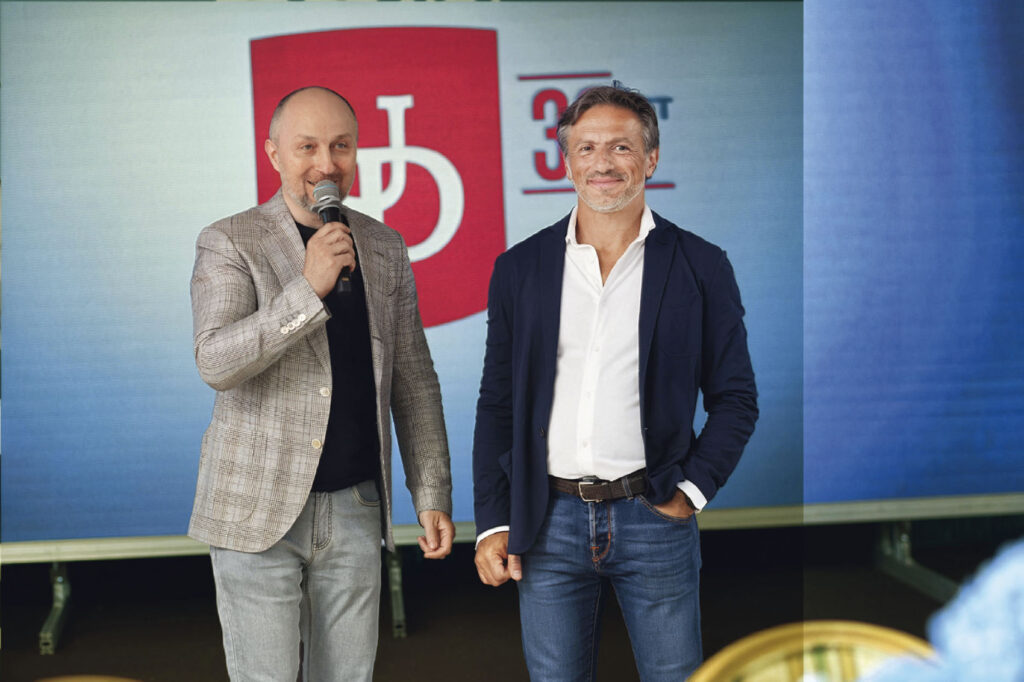
– Yes, mentoring and training are the foundation of our personnel policy. We are confident that a strong team does not come from outside but grows within the company. Therefore, working with young doctors is not just part of our strategy, but a deliberate investment in the future. As a rule, young specialists come to us through recommendations from experienced colleagues, such as chief physicians or top-tier specialists. From the first day, a mentor is assigned to each person, who helps them adapt, shares experience, suggests solutions, and explains nuances. This is not a formality, but a true school of mastery, where theory turns into practice. Gradually, young doctors gain confidence and at some point become independent specialists. Because medicine, and especially dentistry, is not only about manual skills and technology, it’s about people, the transfer of experience, and generational continuity.
Of course, this path is not easy. Not everyone can keep up with the pace; some leave, while others seek themselves in a different field. But if we see potential and a desire to grow in a person, we definitely invest in them — with time, training, and attention. And it always pays off. Many of our doctors today started out as assistants, balancing work with their studies, and over time grew into strong, confident specialists whom we are truly proud of.
My main task is to create a system where the doctor can work with confidence and the patient feels cared for.
ABOUT PATIENTS AND SERVICE
– “Modern patients are educated, demanding, and Internet-savvy.” How does this affect the work of a doctor?
– Yes, today patients have indeed become different – more informed, demanding, and attentive to details. A person comes to the appointment already with a certain amount of knowledge, and sometimes even with a ‘ready diagnosis.’ And this is the natural trend of our time. If a doctor is a professional, such a situation does not hinder their work in any way, but, on the contrary, helps. An informed person asks the right questions, understands the treatment process better, and generally follows recommendations more consciously.
The increase in demands, in my opinion, is a good incentive for doctors. He makes us delve deeper into modern methods and master new technologies. Competition today is not only between clinics but also between approaches and the level of trust that a doctor can inspire.
Of course, there is also the flip side, when patients become victims of excessive or distorted information. Unfortunately, sometimes unscrupulous specialists take advantage of this. But overall, awareness is a good thing. The more a person knows about medicine, the easier it is for them to recognize a true professional and build trusting, honest relationships with them. Trust is what any successful treatment begins with.
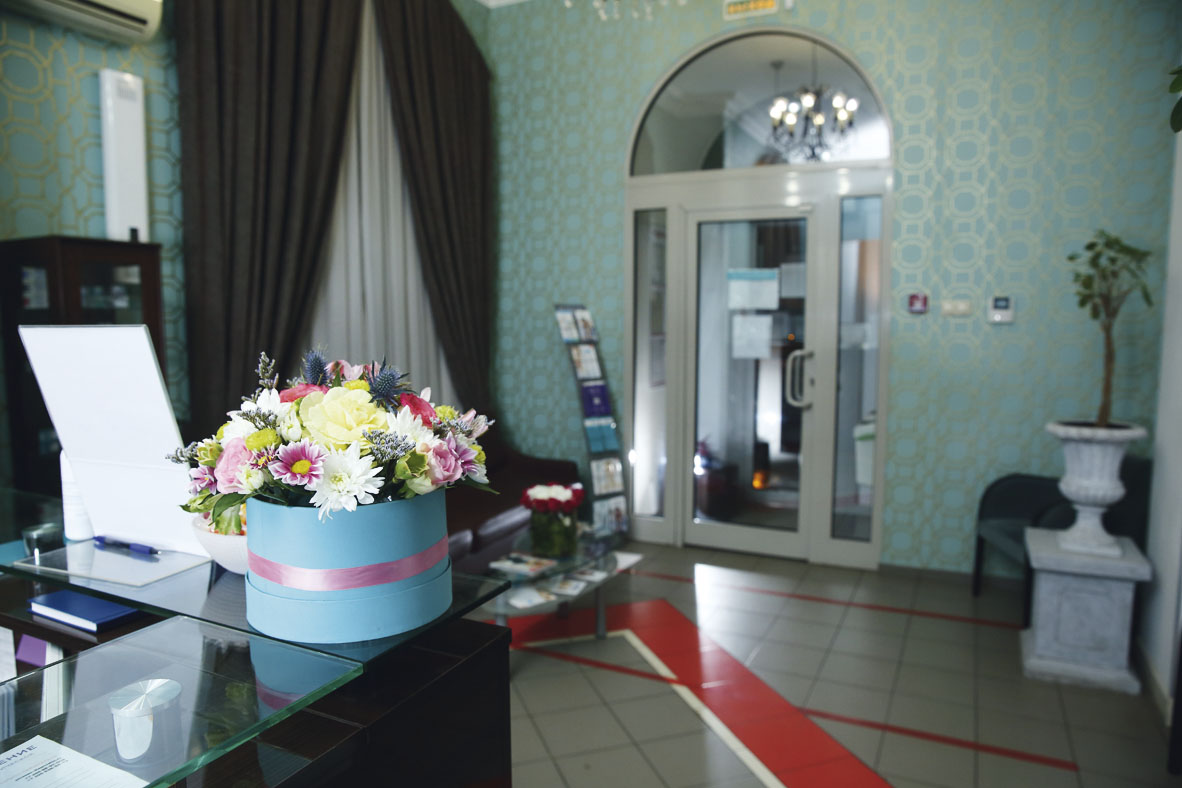
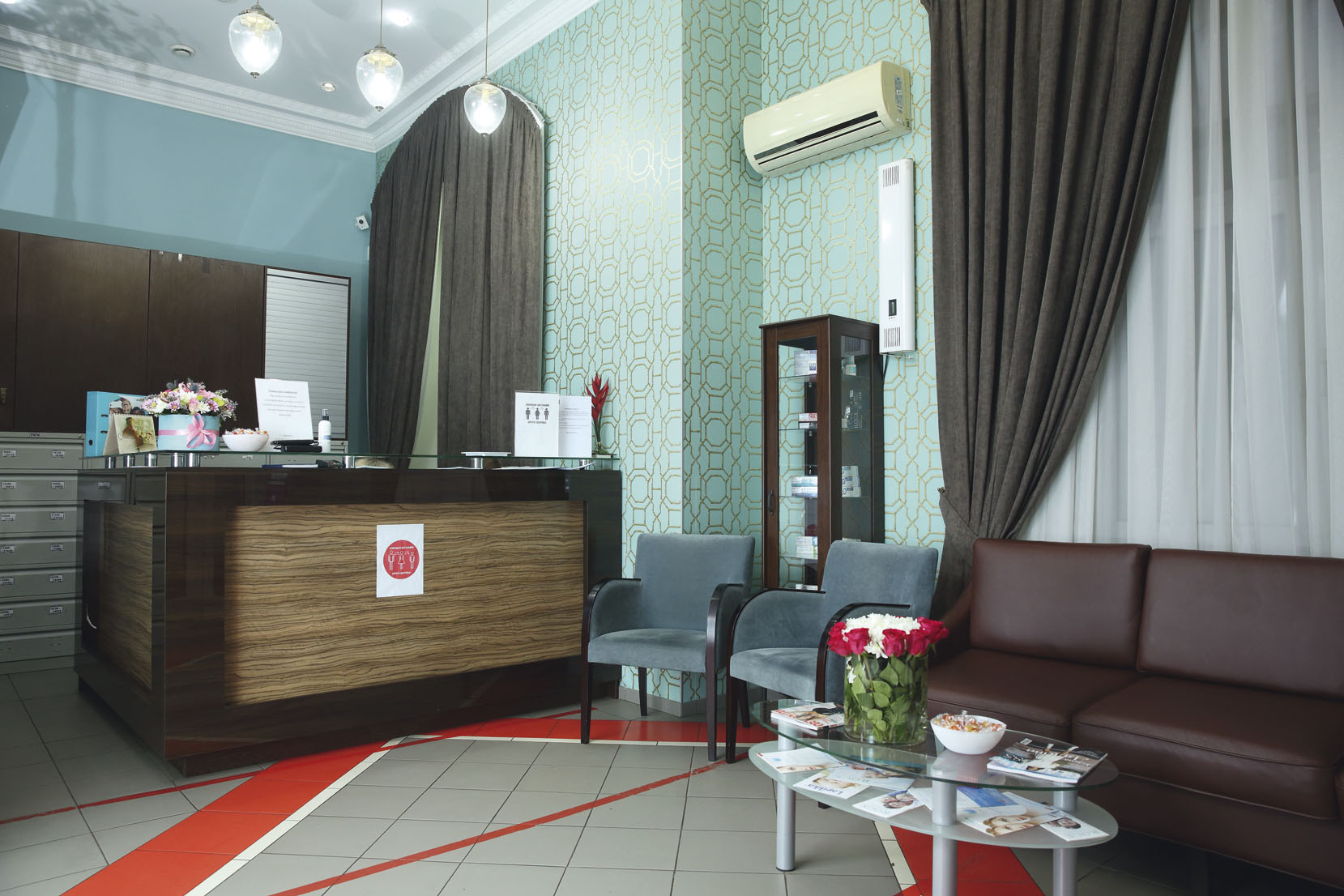
– “Your chain of clinics is known for its special attention to comfort and the aesthetics of space.” Is it possible to influence a patient’s emotions and trust through architecture and design?
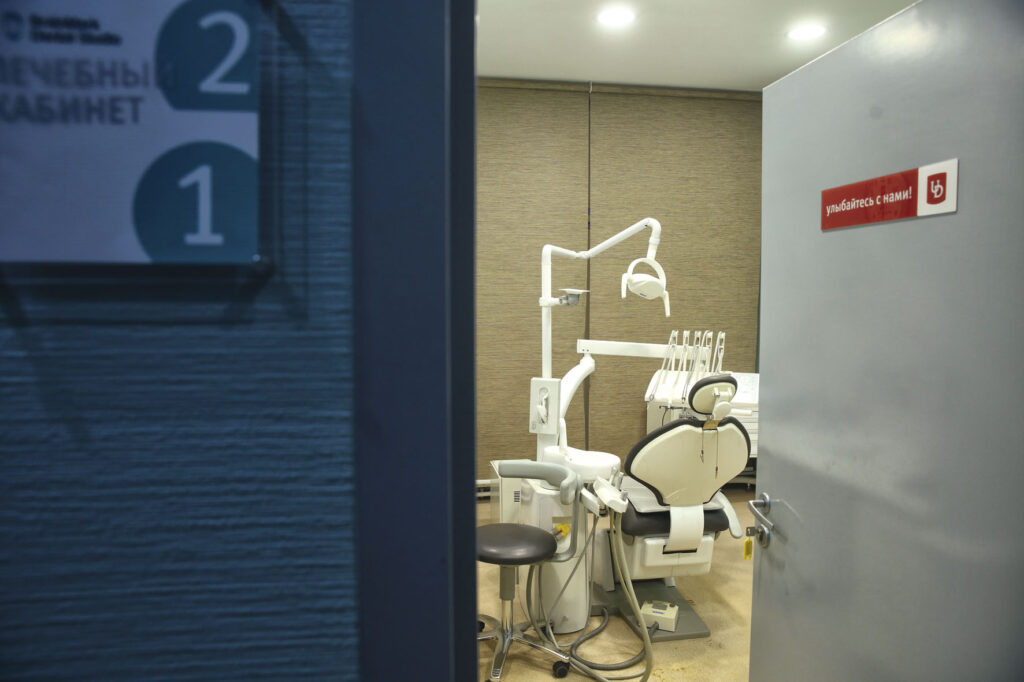
– The space in which a person receives medical care is not just walls and equipment; it is part of the overall therapeutic process. We always strive to create spaces where comfort and professionalism are literally felt in everything—from architecture to the tone of communication. We carefully consider every detail, from the location of the clinic to the smallest nuances of the interior. As a rule, our clinics are located on the ground floors with separate entrances, so the patient does not have to search for the right door, climb stairs, or navigate through the mazes of business centers. He immediately finds himself in a space where everything is arranged for his convenience.
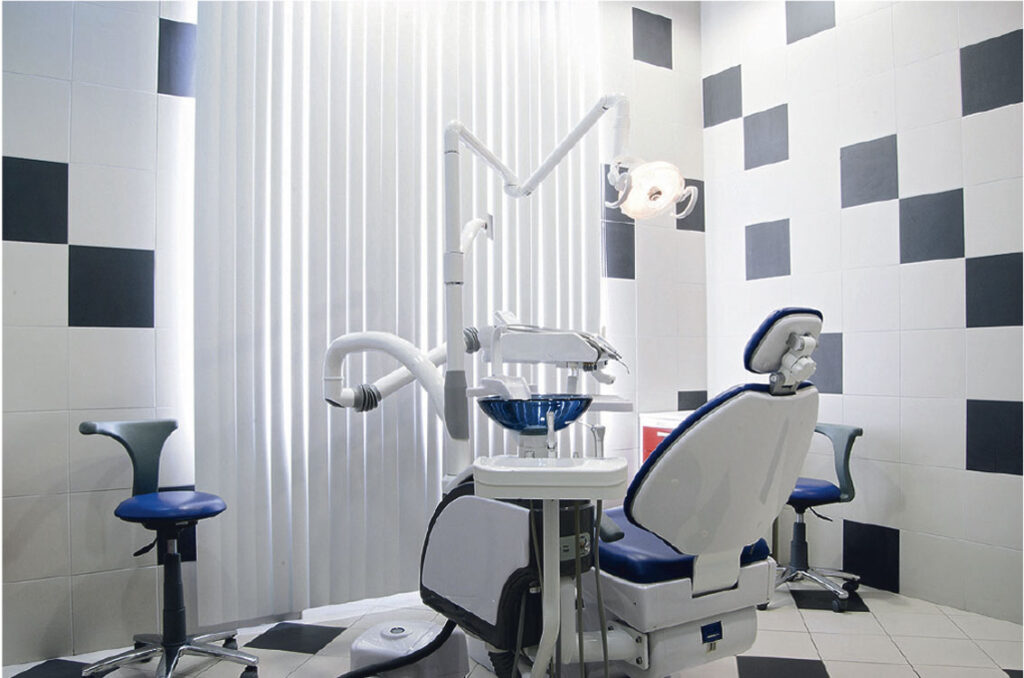
For us, interior design is not a matter of fashion but an element of the brand’s philosophy. Modern architecture, thoughtful zoning, soft lighting, tactile materials, and the absence of a hospital atmosphere—all of these elements create a sense of coziness, safety, and respect. The patient should feel that they have been cared for even before the appointment begins.
Moreover, aesthetics are important for the team as well. Specialists working in a modern, comfortable, and technologically advanced space feel different at their workplace — with greater inspiration, confidence, and pride in their clinic.
Our success is the result of the entire team’s work. It is impossible to achieve anything in medicine alone
“What helps you maintain patients’ trust and build long-term relationships with them?”
Patient trust begins with the most important thing — professionalism. When a person receives truly high-quality medical care, sees the results, and feels cared for, no additional arguments are needed. This is the foundation on which long-term relationships between doctor and patient are built. But medicine today is not only about treatment; it’s about the experience a person receives in a clinic. Therefore, service is necessarily added to professionalism: attentiveness, tactfulness, respect for the patient’s time and feelings. Everything—from the first call to the completion of treatment—should convey that the person is being cared for here.
Long-term relationships are not built on advertising; they are built on honesty and consistency in quality. When the patient feels that their health is truly the focus, trust comes naturally. And for us, this is the best evaluation of our work.
ABOUT THE FUTURE OF DENTISTRY AND PERSONAL GUIDELINES
– How do you see dentistry in ten years? And what place will a specialist take in it, considering that AI is taking over more and more professional fields?
Predicting the future in medicine is a thankless task because technologies are developing rapidly and sometimes in the most unexpected directions. But one thing I know for sure: in ten years, just as today, the main focus in dentistry will remain on the person. His knowledge, experience, intuition, and skill. Yes, artificial intelligence is already actively entering our field: it helps analyze images, develop treatment plans, model outcomes, and optimize clinical processes. And it’s wonderful. However, no matter how much technology advances, dentistry remains a profession of hands and senses. Here, everything is determined by the precision of movement, coordination, the feel of the fabric, and confidence in every millimeter. It is impossible to teach this to a machine.
So the dentistry of the future, as I see it, is the union of humans and technology. Machines will help us be more precise and efficient, while doctors will preserve the human dimension of medicine: attention, care, and the confidence with which a patient entrusts themselves to a specialist. In the end, technology improves, but trust is still created by humans.
“A successful business, a strong team, a recognizable brand — what motivates you the most today?”
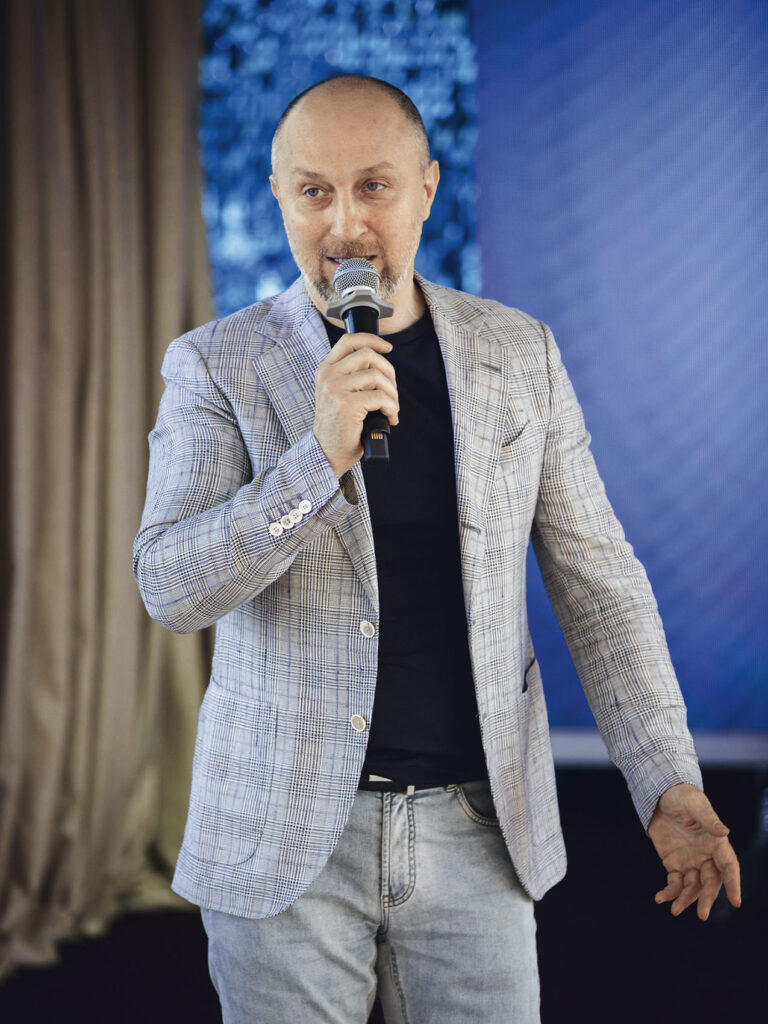
Probably, I am inspired by everything as a whole — the company’s success, the brand’s strength, and the dynamics of development. But, to be honest, people remain the main source of motivation for me. Relationships with the team, colleagues, with those who are by my side every day, who share my values and aspirations. I am sincerely grateful to fate for being here, in this holding company, and for having the opportunity to work with Tamaz and Iveta Manasherov. These are people who know how to inspire and set the direction for moving forward. With them, you don’t just want to work — you want to grow, set new goals for yourself, and achieve more.
The same can be said about the entire team — from the management to the clinic staff. For me, this is not just a team, but a family with whom it’s a pleasure to go through life, overcome difficulties, and celebrate victories. We spend a huge part of our lives together, and I am sure that the most valuable thing is human relationships, mutual respect, and trust. And everything else — success, ambition, results — follows after this.
For me, the clinic is not just a workplace, but a living team where everyone feels their significance.
“Do you have a personal mission in what you do, something that makes you come to work every day?”
I don’t believe in abstract missions, especially when it comes to medicine. In our business, we cannot be guided by loud slogans — here, the person always comes first. For me, this is the foundation — caring for people: patients and those who help them every day — doctors, assistants, administrators. Around every doctor, there is a whole team, and my task is to ensure that this system operates smoothly, efficiently, and most importantly, with human warmth. Therefore, if we talk about a personal mission, for me it is very simple and at the same time profound: to preserve the essence of medicine every day. Care, attention, responsibility – that’s why I come to work. Everything else is merely a derivative of these values.